Setting the agenda for American archaeology
0
0
As an Amazon Associate and affiliate partner, Menrva Books earns from qualifying purchases. Learn more
Author Description
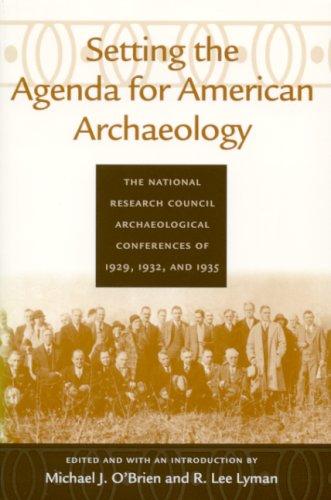
This important collection reveals the key role played by the National Research Council seminars, reports, and pamphlets in setting an agenda for the development of American archaeology in the 20th century. In the 1920s and 1930s, the fascination that Americans had for the continent's prehistoric past led to a widespread and general destruction of archaeological evidence. In a drive toward the commercialization of antiquities, amateur collectors and "pot hunters" pillaged premier and lesser-known sites before the archaeological record could be properly investigated and documented. Setting the Agenda contains the complete reports of these three conferences, a short publication on the methods and techniques for conducting archaeological surveys, and a guide for amateur archaeologists. An extensive introduction by the editors sets these important historical documents in context and provides insight into the intentions of the NRC committee members as they guided the development of American archaeology.--BOOK JACKET.
Menrva's Summary
THE THESIS
This collection examines the foundational role of the National Research Council in shaping 20th-century American archaeology. The book presents key reports and publications from NRC seminars and conferences held in the 1920s and 1930s, a period marked by both intense public interest in prehistoric pasts and significant destruction of archaeological sites due to commercialization and amateur excavation. The extensive introduction by the editors contextualizes these historical documents, offering insight into the NRC committee's efforts to guide the discipline's development and establish a scientific agenda.
THE SCOPE MAP
- Complete reports from three National Research Council conferences.
- A publication detailing methods and techniques for archaeological surveys.
- A guide specifically written for amateur archaeologists.
- An extensive introduction by the editors contextualizing the historical documents.
- Insight into the intentions of the NRC committee members.
- Analysis of the development of American archaeology in the 20th century.
- Discussion of the challenges posed by commercialization and amateur excavation.
THE AUTHORITY PERSPECTIVE
The collection is recognized for its significant contribution to understanding the institutional development of American archaeology. By presenting primary documents from a critical period, it offers direct insight into the efforts to professionalize the field and establish research priorities. The inclusion of an extensive introduction provides valuable context, illuminating the motivations and strategies of key figures involved in shaping the discipline. This work serves as an essential resource for scholars interested in the history of archaeology and the evolution of scientific practice in the United States.
Page Count:
483
Publication Date:
2001-01-01
ISBN-10:
0817310843
History
Non-Fiction
Research
Academic
American History
Archaeology
Community Tags
Similar Books