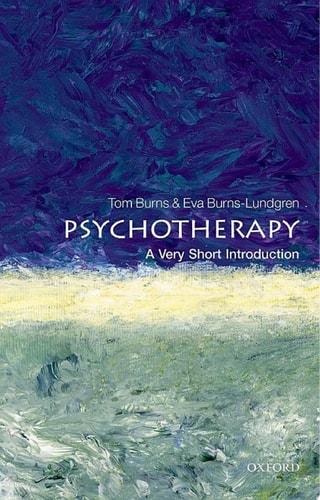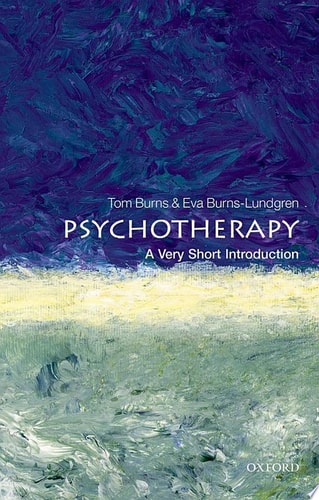
Psychotherapy: A Very Short Introduction
0
0
As an Amazon Associate and affiliate partner, Menrva Books earns from qualifying purchases. Learn more
Author Description
Psychotherapy and counselling are now widely available to help people overcome emotional and psychological difficulties in their lives. They involve spending time with a professional in an emotionally safe and structured relationship to explore and express the issues that cause distress and difficulty, whether long term self-doubts, relationship problems, or the impact of a trauma or crisis. As a society, we now take this focus on talking through and understanding our identity and relationships for granted, but it is hardly more than a century old. In this Very Short Introduction, Tom Burns and Eva Burns-Lundgren trace the development of psychotherapy from its origins in Freud's psychoanalysis to the range of different approaches - counselling, cognitive behaviour therapy, and other time-limited therapies, mindfulness, group and family therapies, and many more. Describing the processes central to them all and highlighting their differences, they demonstrate what problems each therapy are best suited for. They explain the principles behind the most commonly available types of psychotherapies and provide examples of what patients can expect when they seek such help. They conclude by examining the practice of psychotherapy - the types of training psychotherapists have, the safeguards that exist to keep practice reliable, and how one goes about choosing a psychotherapist. About the series: The Very Short Introductions series from Oxford University Press contains hundreds of titles in almost every subject area. These pocket-sized books are the perfect way to get ahead in a new subject quickly. Our expert authors combine facts, analysis, perspective, new ideas, and enthusiasm to make interesting and challenging topics highly readable.
Menrva's Summary
THE THESIS
This book investigates the historical development, diverse methodologies, and practical applications of psychotherapy as a modern tool for addressing psychological distress. Tom Burns and Eva Burns-Lundgren, drawing on their professional expertise, provide a structured overview of how talking therapies have evolved from Freudian psychoanalysis into the varied clinical practices available today. The text serves as a foundational framework for understanding the mechanisms of therapeutic relationships and the specific utility of different clinical approaches.
THE SCOPE MAP
What You Will Find
- Historical evolution of psychotherapy from the late 19th century to the present
- Comparative analysis of Cognitive Behaviour Therapy, mindfulness, and family systems
- Practical guidance on therapist training, professional safeguards, and patient selection
Scope Limits
- Does not provide clinical training or diagnostic manuals for practitioners
- Does not offer exhaustive case studies for every niche therapeutic modality
THE AUTHORITY PERSPECTIVE
Readers frequently note the accessibility and clarity of the prose, which distills complex clinical theories into a concise format. Experts highlight this as a reliable introductory text for those seeking to understand the landscape of modern mental health services.
Page Count:
144
Publication Date:
2015-01-01
Publisher:
Oup Oxford
ISBN-10:
0191003573
ISBN-13:
9780191003578
Self-help
Non-Fiction
Psychology
Mental Health
Reference