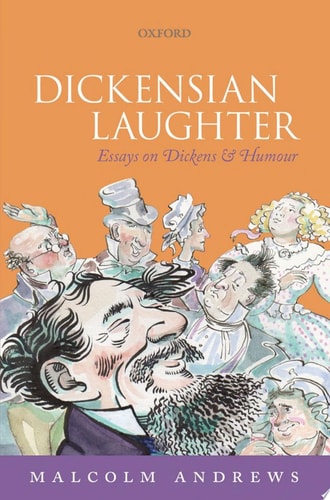
Dickensian Laughter: Essays on Dickens and Humour
0
0
As an Amazon Associate and affiliate partner, Menrva Books earns from qualifying purchases. Learn more
Author Description
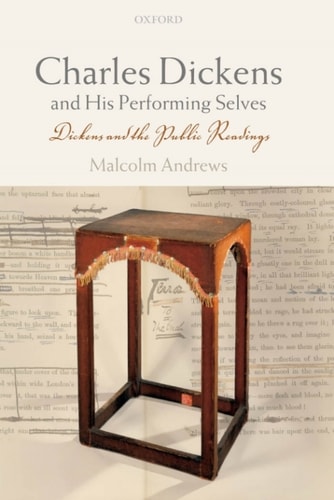
How Does Dickens Make His Readers Laugh? What Is The Distinctive Character Of Dickensian Humour? These Are The Questions Explored In This Book On A Topic That Has Been Strangely Neglected In Critical Studies Over The Last Half Century. Dickens's Friend And Biographer John Forster Declared That: 'his Leading Quality Was Humour.' At The End Of Dickens's Career He Was Acclaimed As 'the Greatest English Humourist Since Shakespeare's Time.' In 1971 The Critic Philip Collins Surveyed Recent Decades Of Dickens Criticism And Asked 'from How Many Discussions Of Dickens In The Learned Journals Would One Ever Guess That (as Dickens Himself Thought) Humour Was His Leading Quality, His Highest Faculty?' Forty Years Later, That Rhetorical Question Has Lost None Of Its Force. Why? Perhaps Dickens's Genius As A Humourist Is Simply Taken For Granted, And Critics Prefer To Turn To His Other Achievements; Or Perhaps Humour Is Too Hard To Analyse Without Spoiling The Fun? Whatever The Reason, There Has Been Very Little By Way Of Sustained Critical Investigation Into What For Most People Has Constituted Dickens's Special Claim To Greatness. This Book Is Framed As A Series Of Essays Examining And Reflecting On Dickens's Techniques For Making Us Laugh. How Is It That Some Written Incident, Or Speech, Or Narrative 'aside' Can Fire Off The Page Into The Reader's Conciousness And Jolt Him Or Her Into A Smile, A Giggle, Or A Hearty Laugh? That Is The Core Question Here. His First Novel, Pickwick Papers, Was Acclaimed At The Time As Having 'opened A Fresh Vein Of Humour' In English Literature: What Was The Social Nature Of The Humour That Established This Trademark 'dickensian' Method Of Making People Laugh? And How Many Kinds Of Laughter Are There In Dickens? What Made Dickens Himself Laugh? Victorian And Contemporary Theories Of Laughter Can Provide Useful Insights Into These Processes - Incongruity Theory Or The 'relief' Theory Of Laughter, Laughter's Contagiousness (laughter As A 'social G
Menrva's Summary
THE THESIS
This book investigates the specific mechanisms and social functions of humor within the works of Charles Dickens, addressing the critical neglect of this central aspect of his literary genius. Malcolm Andrews, a scholar of Victorian literature, utilizes a series of essays to analyze how Dickens constructs comedic moments and why this primary faculty has been overlooked in academic discourse. The text bridges the gap between historical reception and modern analytical frameworks to explain the enduring impact of Dickensian wit.
THE SCOPE MAP
What You Will Find
- Analysis of Dickensian narrative techniques including speech, incident, and narrative asides.
- Application of Victorian and contemporary theories of laughter, such as Incongruity Theory and Relief Theory.
- Historical context regarding the reception of Pickwick Papers and the evolution of Dickens's reputation as a humorist.
Scope Limits
- The text does not provide a comprehensive biography of Dickens's life.
- It does not attempt to analyze every single comedic instance across the entire Dickensian canon.
THE AUTHORITY PERSPECTIVE
Scholars and critics recognize this work as a necessary intervention in Dickensian studies, filling a significant gap regarding the author's primary mode of expression. Readers frequently note the accessible yet scholarly tone, which successfully balances theoretical inquiry with an appreciation for the mechanics of comedy.
Page Count:
208
Publication Date:
2013-01-01
Publisher:
Oxford University Press
ISBN-10:
0191008737
ISBN-13:
9780191008733
Biography
Victorian
Literary Criticism
Humor Studies
Community Tags
Similar Books