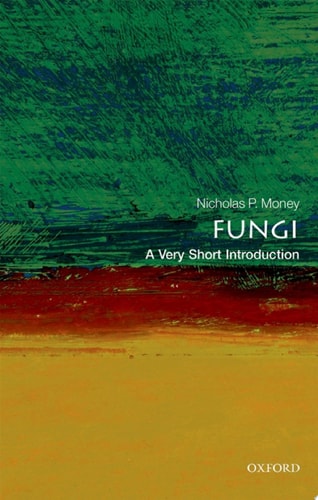
Fungi: A Very Short Introduction
0
0
As an Amazon Associate and affiliate partner, Menrva Books earns from qualifying purchases. Learn more
Author Description
The variety of the mycological world is far greater than most people imagine. Tens of thousands of fungal species have been described and many more are known only from the abundance of their genes in soil and water. Fungi are hugely important as agents of wood decay in forests, and, as parasites, they have caused the deaths of millions of people by ravaging crops and reshaping natural ecosystems. Fungi perform a variety of essential functions in ecosystems, and are important to both agriculture and biotechnology. Their importance is now becoming better appreciated among scientists, though there is much still to be understood concerning their taxonomy and evolution. This Very Short Introduction highlights the variety and extraordinary natures of fungi, revealing the remarkable facts of fungal biology and the global significance of these enchanting organisms. ABOUT THE SERIES: The Very Short Introductions series from Oxford University Press contains hundreds of titles in almost every subject area. These pocket-sized books are the perfect way to get ahead in a new subject quickly. Our expert authors combine facts, analysis, perspective, new ideas, and enthusiasm to make interesting and challenging topics highly readable.
Menrva's Summary
THE THESIS
This book investigates the biological complexity, ecological significance, and evolutionary history of the fungal kingdom. Nicholas P. Money, a professor of biology and expert in mycology, utilizes current scientific research and taxonomic data to argue that fungi are central to global ecosystem health and human industry. The text provides a framework for understanding how these organisms function as decomposers, parasites, and symbiotic partners in diverse environments.
THE SCOPE MAP
What You Will Find
- Overview of fungal taxonomy and evolutionary classification
- Analysis of fungal roles in forest decay and agricultural impact
- Examination of fungal applications in biotechnology
- Discussion of the vast, largely undiscovered diversity of fungal species
Scope Limits
- Does not provide an exhaustive field guide for species identification
- Does not focus on culinary or medicinal mushroom foraging techniques
THE AUTHORITY PERSPECTIVE
Experts and readers frequently note that this text serves as an accessible entry point for students and curious laypeople interested in biological sciences. The prose is recognized for its ability to distill complex mycological concepts into a concise and readable format.
Page Count:
160
Publication Date:
2016-01-01
Publisher:
OUP Oxford
ISBN-10:
0191002593
ISBN-13:
9780191002595
Science
Nature
Mycology
Nature
Biology
Reference
Ecology