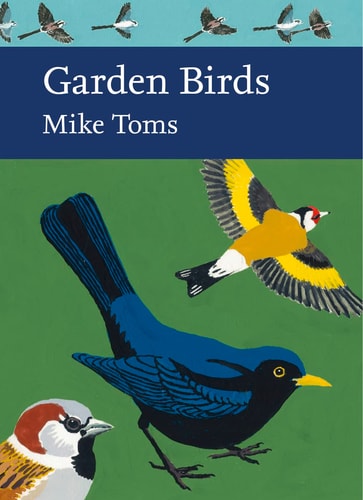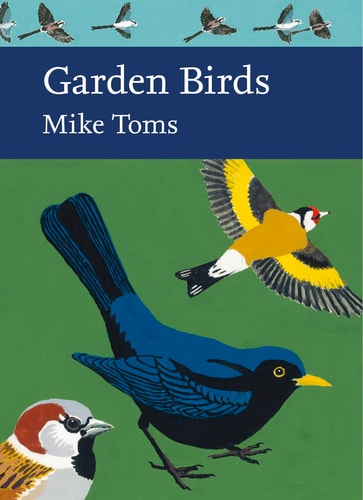
Garden Birds
0
0
As an Amazon Associate and affiliate partner, Menrva Books earns from qualifying purchases. Learn more
Author Description
Gardens make a significant contribution to the amount of urban green space and are the main contributors to urban biodiversity. Birds are one of the most visible components of this urban biodiversity, and many of us enjoy attracting wild birds into our gardens.This timely addition to the New Naturalist Library examines the ways in which birds use gardens, revealing the many new discoveries that are being made and explaining why individual species of bird use gardens in the ways that they do. Why, for example, do Blackcaps now winter in UK gardens – favouring those in the southwest and those that are urban in nature – and why do Siskins increase their use of garden feeders on damp winter days? With a growing human population, the process of urbanisation is set to continue and it is important to recognise the impacts that urbanisation will have on bird populations and the community of species making a living within the built environment.Although many people do not regard themselves as birdwatchers, most of those who seek to attract wild birds into their gardens do so because they enjoy watching them. Some have taken their interest further by becoming involved in citizen science projects that have helped to develop our understanding of how and why birds use our gardens and the resources that they provide. This research demonstrates the role that gardens play in the ecology of many wild bird populations and reveals insights that continue to fascinate a growing audience, increasingly interested in the wildlife that lives alongside them.
Menrva's Summary
THE THESIS
This book investigates the ecological role of gardens in supporting urban bird populations and the factors influencing their behavior within these human-dominated landscapes. The New Naturalist Library's latest volume, authored by Mike Toms, delves into the fascinating ways birds utilize gardens, drawing on new discoveries and scientific research. It explores specific species' adaptations, such as the increased wintering of Blackcaps in UK gardens and the reasons behind Siskin feeder use on damp days. The work also addresses the broader implications of ongoing urbanization on bird populations and the biodiversity of built environments, highlighting the connection between human activity and wildlife.
THE SCOPE MAP
- Analysis of how gardens contribute to urban biodiversity and green space.
- Examination of specific bird species' behaviors and adaptations in garden environments.
- Discussion of factors influencing bird use of garden feeders and resources.
- Exploration of the impact of urbanization on bird populations.
- Integration of citizen science findings into understanding garden ecology.
- Insights into the relationship between human populations and urban wildlife.
- Focus on observable bird activity and the enjoyment derived from watching garden birds.
THE AUTHORITY PERSPECTIVE
This volume is presented as a timely addition to the New Naturalist Library, focusing on the increasingly relevant topic of urban biodiversity. The book aims to reveal new discoveries and explain the specific reasons behind observed bird behaviors in gardens, catering to a growing audience interested in local wildlife. It highlights the role of citizen science in advancing our understanding of these ecological interactions. The work is positioned to offer fascinating insights for both casual observers and those more deeply involved in birdwatching and ecological studies.
Page Count:
0
Publication Date:
2019-01-01
Publisher:
William Collins
ISBN-10:
0008164789
ISBN-13:
9780008164782
Non-Fiction
Science
Animals
Nature
Science & Technology
Birds
Gardening
Urban ecology
Community Tags
Similar Books