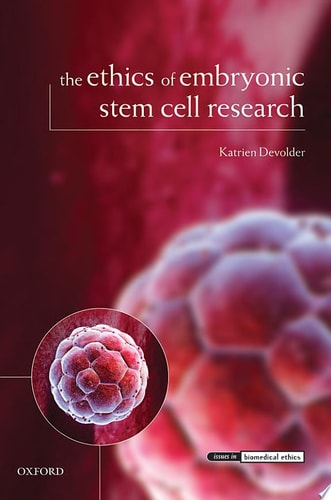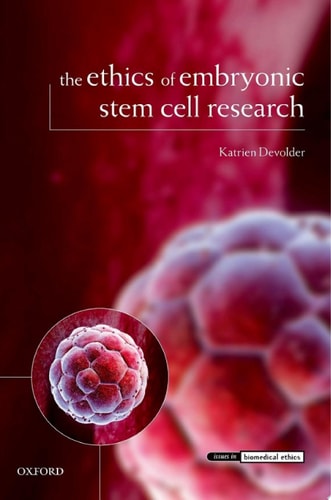
The Ethics of Embryonic Stem Cell Research
0
0
As an Amazon Associate and affiliate partner, Menrva Books earns from qualifying purchases. Learn more
Author Description
Embryonic stem cell research holds unique promise for developing therapies for currently incurable diseases and conditions, and for important biomedical research. However, the process through which embryonic stem cells are obtained involves the destruction of early human embryos. Katrien Devolder focuses on the tension between the popular view that an embryo should never be deliberately harmed or destroyed, and the view that embryonic stem cell research, because of its enormous promise, must go forward. She provides an in-depth ethical analysis of the major philosophical and political attempts to resolve this tension. One such attempt involves the development of a middle ground position, which accepts only types or aspects of embryonic stem cell research deemed compatible with the view that the embryo has a significant moral status. An example is the position that it can be permissible to derive stem cells from embryos left over from in vitro fertilisation but not from embryos created for research. Others have advocated a technical solution. Several techniques have been proposed for deriving embryonic stem cells, or their functional equivalents, without harming embryos. An example is the induced pluripotent stem cell technique. Through highlighting inconsistencies in the arguments for these positions, Devolder argues that the central tension in the embryonic stem cell debate remains unresolved. This conclusion has important implications for the stem cell debate, as well as for policies inspired by this debate.
Menrva's Summary
THE THESIS
This book investigates the unresolved ethical tension between the potential medical benefits of embryonic stem cell research and the moral status of the human embryo. Katrien Devolder, a scholar in bioethics, examines the philosophical and political arguments surrounding this conflict. She evaluates various attempts to reconcile these opposing views, including middle-ground positions and technical alternatives, ultimately arguing that the central moral dilemma remains without a definitive resolution.
THE SCOPE MAP
What You Will Find
- Philosophical analysis of the moral status of the human embryo
- Evaluation of middle-ground policy positions regarding IVF-derived embryos
- Technical assessment of alternative methods such as induced pluripotent stem cells
- Critique of political and ethical arguments used to justify or restrict research
Scope Limits
- Does not provide a definitive policy recommendation or legal framework
- Does not cover the clinical efficacy of specific stem cell therapies
THE AUTHORITY PERSPECTIVE
Experts recognize this text as a rigorous contribution to the field of biomedical ethics, noting its systematic approach to dissecting complex moral arguments. Readers frequently highlight the clarity of the author's prose when navigating dense philosophical debates.
Page Count:
175
Publication Date:
2015-01-01
Publisher:
OUP Oxford
ISBN-10:
0191036234
ISBN-13:
9780191036231
Philosophy
Science
Stem Cell Research
Medical Ethics
STEM Cells
Bioethics
Community Tags
Other Editions(3)

Similar Books