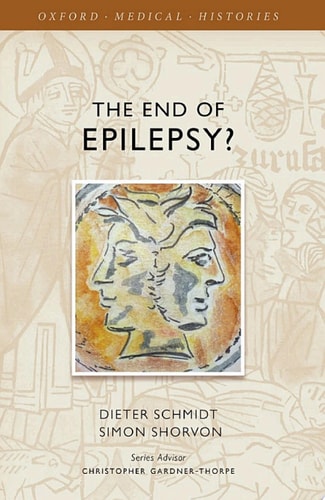
The End of Epilepsy?: A History of the Modern Era of Epilepsy Research 1860-2010
0
0
As an Amazon Associate and affiliate partner, Menrva Books earns from qualifying purchases. Learn more
Author Description
Epilepsy is more than just a physical condition, the fact of simply having epileptic seizures, it has cultural, geographic and historical meaning and significance which go beyond that of a neurological disorder, and which defy a single perspective. The End of Epilepsy? is a beautifully illustrated, authoritative, and engaging history of medical developments during the modern era of epilepsy, which began with the introduction of Bromides and Hughlings-Jacksons definition of epilepsy in 1860. This thought-provoking book comprehensively covers the definitions of and the attitudes to epilepsy over the past 150 years, and describes the bureaucracies surrounding the condition. It explores the technological advances, and the different management techniques, with antiepileptic drugs and surgery, which have been applied to epilepsy up to the present day. After presenting an overview both of the advances and improvements made, and also of the dark side which has cast shadows over medical and social progress, the authors then critically examine on-going research into new treatments for epilepsy, and provide an insight into the complex underpinnings of scientific and medical practice. They look forward to a time when the condition will no longer be, as Temkin put it, a paradigm of the suffering of both body and soul in disease.
Menrva's Summary
THE THESIS
This book investigates whether the medical and scientific advancements in epilepsy research between 1860 and 2010 have effectively moved the field toward a definitive cure or the end of the condition as a primary source of human suffering. The authors, both established experts in the field of neurology, utilize a historical framework to analyze how the definition, management, and social perception of epilepsy have evolved alongside technological and pharmacological progress. By contrasting clinical breakthroughs with the persistent social and bureaucratic challenges surrounding the disorder, the text argues that the history of epilepsy is as much a cultural narrative as it is a medical one.
THE SCOPE MAP
What You Will Find
- A chronological analysis of epilepsy management from the introduction of Bromides in 1860 to modern surgical and pharmacological interventions.
- An examination of the institutional and bureaucratic structures that have influenced patient care and research funding.
- A critical review of the dark history of medical practices and social stigmas that have historically shadowed scientific progress.
Scope Limits
- The text focuses primarily on the Western medical tradition and does not provide an exhaustive global history of the condition.
- The analysis concludes at 2010, excluding the most recent developments in genetic research and digital health technologies.
THE AUTHORITY PERSPECTIVE
Experts and medical historians recognize this work as a comprehensive and authoritative account of the modern era of epilepsy research. Readers frequently note the academic density of the prose, which serves as a foundational text for those interested in the intersection of neurology and medical history.
Page Count:
201
Publication Date:
2016-01-01
Publisher:
OUP Oxford
ISBN-10:
0191038741
ISBN-13:
9780191038747
Science
MEDICAL History
Medicine history
Allied Health
Medical
Epilepsy
Neurology
Community Tags
Similar Books