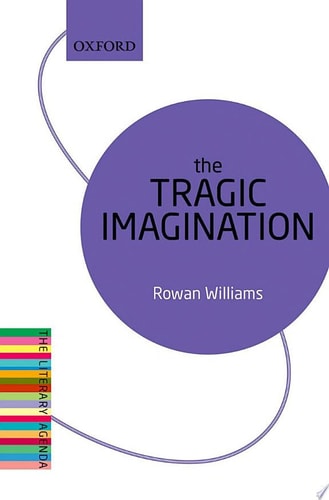
The Tragic Imagination
0
0
As an Amazon Associate and affiliate partner, Menrva Books earns from qualifying purchases. Learn more
Author Description
The Literary Agenda Is A Series Of Short Polemical Monographs About The Importance Of Literature And Of Reading In The Wider World And About The State Of Literary Education Inside Schools And Universities. The Category Of 'the Literary' Has Always Been Contentious. What Is Clear, However, Is How Increasingly It Is Dismissed Or Is Unrecognised As A Way Of Thinking Or An Arena For Thought. It Is Sceptically Challenged From Within, For Example, By The Sometimes Rival Claims Of Cultural History, Contextualized Explanation, Or Media Studies. It Is Shaken From Without By Even Greater Pressures: By Economic Exigency And The Severe Social Attitudes That Can Follow From It; By Technological Change That May Leave The Traditional Forms Of Serious Human Communication Looking Merely Antiquated. For Just These Reasons This Is The Right Time For Renewal, To Start Reinvigorated Work Into The Meaning And Value Of Literary Reading. This Short But Thought-provoking Volume Asks The Question 'what Is It That Tragedy Makes Us Know?'. The Focus Is On Tragedy As A Mode Of Representing The Experience Of Radical Suffering, Pain, Or Loss, A Mode Of Narrative Through Which We Come To Know Certain Things About Ourselves And Our World—about Its Fragility And Ours. Through A Mixture Of Historical Discussion And Close Reading Of A Number Of Dramatic Texts—from Sophocles To Sarah Kane—the Book Addresses A Wide Range Of Debates: How Tragedy Is Defined, Whether There Is Such A Thing As 'absolute Tragedy', Various Modern Attempts To Rework The Classical Heritage And The Relation Of Comedy To Tragedy. There Is Also A Fresh Discussion Of Whether Religious—particularly Christian—discourse Is Inimical To The Tragic, And Of The Necessary Tension Between Tragic Narrative And Certain Kinds Of Political As Well As Religious Rhetoric. Rowan Williams Argues That Tragic Drama Both Articulates Failure And Frailty And, In Affirming The Possibility Of Narrating The Story Of Traumatic Loss, Refuses To Settle For Pas
Menrva's Summary
THE THESIS
This volume investigates the fundamental question of what tragedy reveals about the human condition and the nature of radical suffering. Rowan Williams, a theologian and scholar, utilizes a framework that bridges classical dramatic theory with contemporary philosophical inquiry. He argues that tragedy serves as a unique mode of knowledge, allowing for the articulation of human frailty and loss while resisting simplistic resolutions to traumatic experience.
THE SCOPE MAP
What You Will Find
- Historical analysis of tragic drama spanning from Sophocles to Sarah Kane.
- Philosophical examination of the relationship between religious discourse and tragic narrative.
- Exploration of the tension between tragic representation and political rhetoric.
Scope Limits
- The text does not provide an exhaustive history of all dramatic forms.
- It focuses primarily on the philosophical and theological implications of tragedy rather than purely technical theatrical production.
THE AUTHORITY PERSPECTIVE
Scholars and readers frequently note the intellectual density of Williams's prose, which requires a high level of engagement with both classical texts and theological concepts. Experts highlight this work as a significant contribution to the Literary Agenda series, valued for its nuanced defense of tragedy as a vital arena for human thought.
Page Count:
160
Publication Date:
2016-01-01
Publisher:
Oxford University Press
ISBN-10:
0191056014
ISBN-13:
9780191056017
Drama
Non-Fiction
Philosophy
Theology
Literary Criticism
Community Tags
Other Editions(2)
Similar Books

Reader Comments
Share Your Thoughts
No comments yet. Be the first to share your thoughts!