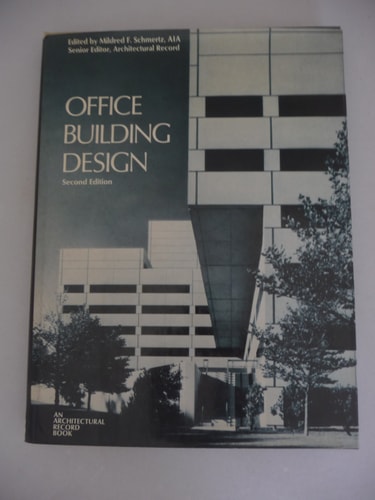
Office building design
0
0
As an Amazon Associate and affiliate partner, Menrva Books earns from qualifying purchases. Learn more
Author Description
The best of the new office buildings are more practical and convenient to work in than ever before because of sophisticated interior space programming and planning techniques. They are also more comfortable because of improvements in their heating, ventilating, and air-conditioning systems and their control of heat loss and gain through better types of thermal insulation, and solar heat-reducing glass. There have been other technological advances as well. Architects and engineers continue to improve the design and detailing of glass curtain walls and a report on their progress is included in the high-rise office building technology section of this book. This section also contains a discussion of the thermal insulation for the exterior members of the John Hancock building and a report on new developments in advanced rigid-frame design.
Menrva's Summary
THE THESIS
This book investigates the intersection of technological advancement and human-centric design in the creation of modern, high-performance office buildings. Mildred F. Schmertz, an experienced architectural editor, synthesizes technical reports and case studies to demonstrate how interior programming, climate control systems, and structural innovations have evolved to improve workplace efficiency and comfort. The text argues that the integration of sophisticated engineering is the primary driver behind the functional success of contemporary corporate architecture.
THE SCOPE MAP
What You Will Find
- Analysis of interior space programming and planning methodologies
- Technical evaluations of HVAC systems and thermal insulation strategies
- Case studies on high-rise office building technology
- Reports on advancements in glass curtain wall design and rigid-frame structural systems
Scope Limits
- Does not cover residential or industrial building typologies
- Does not address aesthetic theory or architectural history outside of technical performance
THE AUTHORITY PERSPECTIVE
Experts recognize this work as a technical reference for mid-century architectural practices and building systems. Readers frequently note the focus on specific engineering components like thermal insulation and curtain wall detailing as the primary value of the text.
Page Count:
207
Publication Date:
1975-01-01
Publisher:
McGraw-Hill
ISBN-10:
0070023204
ISBN-13:
9780070023208
Architecture
urban planning
Building Technology
New Used & Rental Textbooks
Engineering
Architecture
Community Tags
Similar Books