Stealing Home
0
0
As an Amazon Associate and affiliate partner, Menrva Books earns from qualifying purchases. Learn more
Author Description
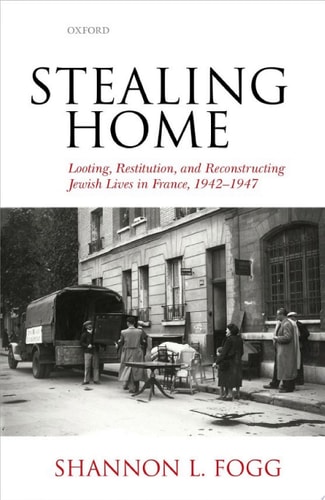
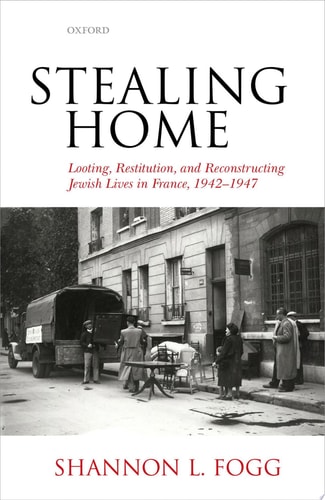
Between 1942 And 1944 The Germans Sealed And Completely Emptied At Least 38,000 Parisian Apartments. The Majority Of The Furnishings And Other Household Items Came From 'abandoned' Jewish Apartments And Were Shipped To Germany. After The War, Holocaust Survivors Returned To Paris To Discover Their Homes Completely Stripped Of All Personal Possessions Or Occupied By New Inhabitants. In 1945, The French Provisional Government Established A Restitution Service To Facilitate The Return Of Goods To Wartime Looting Victims. Though Time-consuming, Difficult, And Often Futile, Thousands Of People Took Part In These Early Restitution Efforts. Stealing Home Demonstrates That Attempts To Reclaim One's Furnishings And Personal Possessions Were Key In Efforts To Rebuild Jewish Political And Social Inclusion In The War's Wake. Far From Remaining Silent, Jewish Survivors Sought Recognition Of Their Losses, Played An Active Role In Politics, And Turned To Both The Government And Each Other For Aid. Drawing On Memoirs, Oral Histories, Restitution Claims, Social Workers' Reports, Newspapers, And Government Documents, Stealing Home Provides A Social History Of The Period That Focuses On Jewish Survivors' Everyday Lives During The Lengthy Process Of Restoring Citizenship And Property Rights. It Examines Social Rebirth Through The Prism Of Restitution And Argues That The Home Was Critical In Shaping The Postwar Relationship Between Jews And The State, And In The Successes And Failures Associated With Rebuilding Jewish Lives In France After The Holocaust.
Menrva's Summary
THE THESIS
This book investigates how the restitution of looted property served as a critical mechanism for Jewish survivors to reclaim social and political inclusion in postwar France. Shannon L. Fogg, a historian specializing in modern French history, utilizes a diverse array of primary sources to analyze the intersection of private property and citizenship. She argues that the struggle to recover household goods was not merely a material pursuit but a fundamental component of rebuilding Jewish life and identity in the wake of the Holocaust.
THE SCOPE MAP
What You Will Find
- Analysis of the French Provisional Government's restitution services established in 1945.
- Examination of the systemic looting of 38,000 Parisian apartments between 1942 and 1944.
- Integration of memoirs, oral histories, social worker reports, and government documentation.
Scope Limits
- The study focuses specifically on the Parisian experience and the French administrative response.
- It does not provide a comprehensive military history of the occupation or the broader European restitution landscape.
THE AUTHORITY PERSPECTIVE
Scholars recognize this work as a significant contribution to the social history of postwar France, particularly for its focus on the domestic sphere as a site of political negotiation. Readers frequently note the meticulous use of archival evidence to illuminate the daily challenges faced by survivors during the reconstruction period.
Page Count:
224
Publication Date:
2016-01-01
Publisher:
Oxford University Press
ISBN-10:
0191090832
ISBN-13:
9780191090837
History
World War
Social History
France
Jewish Studies