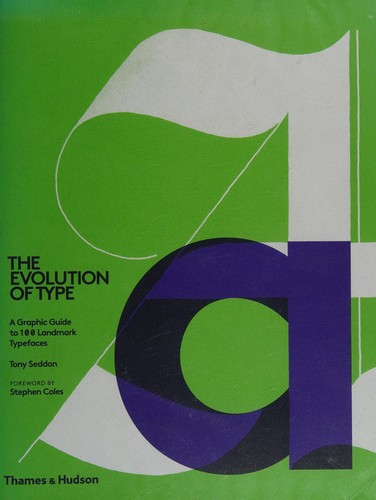
The Evolution of Type
0
0
As an Amazon Associate and affiliate partner, Menrva Books earns from qualifying purchases. Learn more
Author Description
Chosen to represent the key elements of form used by the punch cutters, calligraphers and designers of their day, and presented in chronological order by release date, each typeface is discussed in terms of its origins and its impact on the design and print industries, and considerations for screen use.Versions released in metal type for hand-setting and for the Monotype and Linotype machines, as phototype, and as digital revivals or originals, are covered in detail alongside information about the people responsible for the design and development of each adaptation.Key glyphs are annotated to indicate features that mark out how typeface design has evolved over the last 500 or so years. Visual comparisons illustrate how typefaces created years ago have influenced contemporary designs. For the general reader, this book offers a thorough history of the typefaces we have been reading for decades; for typographers and designers, it is a valuable resource that will help to inform their choice of the most appropriate typeface for any project.
Menrva's Summary
THE THESIS
This book traces the historical development of typefaces from their origins to contemporary digital forms. It examines key typefaces chronologically, detailing their creation by punch cutters, calligraphers, and designers, and analyzes their impact on the design and print industries, as well as their suitability for screen use. The book covers various forms of type, including metal type for hand-setting and machine composition, phototype, and digital adaptations, while also highlighting the individuals behind these innovations.
THE SCOPE MAP
- Chronological overview of typeface evolution, organized by release date.
- Detailed discussion of key typefaces, their origins, and industry impact.
- Coverage of metal type (hand-setting and machine), phototype, and digital revivals/originals.
- Biographical information on the designers and developers of typefaces.
- Annotation of key glyphs to illustrate evolutionary features.
- Visual comparisons showing the influence of historical typefaces on modern designs.
- Considerations for the use of typefaces on screen.
THE AUTHORITY PERSPECTIVE
The book is presented as a valuable resource for both general readers seeking a history of typefaces and for typographers and designers needing to inform their typeface choices. The detailed historical and visual analysis aims to provide a thorough understanding of typeface development over five centuries. Its chronological structure and focus on key glyphs and influences suggest a methodical approach to the subject matter. The inclusion of screen use considerations indicates relevance for contemporary design practices.
Page Count:
256
Publication Date:
2015-01-01
ISBN-10:
0500241481
ISBN-13:
9780500241486
Non-Fiction
History
Art
Graphic Design
History of Print
Typography
Community Tags
Similar Books