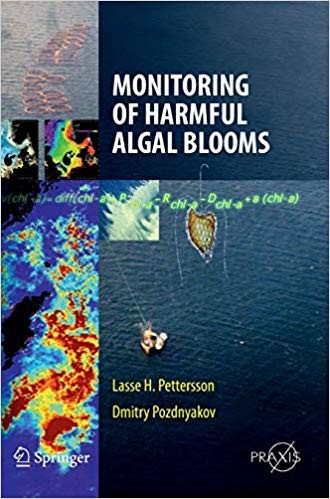
Monitoring of Harmful Algal Blooms
0
0
As an Amazon Associate and affiliate partner, Menrva Books earns from qualifying purchases. Learn more
Author Description
Sometimes known as "Red Tides", some of the wide variety of phytoplankton species in the World’s oceans produce toxins which can harm marine life. In certain circumstances, these harmful algal blooms can even cause illness or death in humans. Shellfish filter feed on phytoplankton and concentrate their toxins in their bodies and people who eat them can contract life threatening food poisoning. A number of countries have monitoring programmes to measure the presence of toxins in algal blooms. Monitoring of Harmful Algal Blooms is all about the research techniques to monitor visible algal blooms and through remote sensing, including infrared techniques, predict them through mathematical modelling.
Menrva's Summary
THE THESIS
This book investigates the critical research techniques and predictive modeling employed in monitoring harmful algal blooms, commonly known as Red Tides. The text details the scientific methods used to track the presence of toxic phytoplankton in the world's oceans, which can pose significant risks to marine ecosystems and human health through contaminated shellfish. It explores the application of remote sensing technologies, including infrared techniques, and the development of mathematical models to forecast the occurrence and spread of these blooms, thereby aiding in the establishment of effective monitoring programs.
THE SCOPE MAP
- Research techniques for monitoring visible algal blooms.
- Application of remote sensing technologies, including infrared methods.
- Mathematical modeling for predicting harmful algal bloom occurrences.
- Understanding the ecological and human health impacts of toxins produced by phytoplankton.
- The role of monitoring programs in mitigating risks associated with Red Tides.
- Concentration of toxins in shellfish and associated food poisoning risks.
THE AUTHORITY PERSPECTIVE
The book addresses a specialized scientific topic, focusing on the technical aspects of monitoring and predicting harmful algal blooms. Its content likely appeals to researchers, environmental scientists, and policymakers involved in marine biology and oceanography. The emphasis on remote sensing and mathematical modeling suggests a data-driven and analytical approach to understanding and managing these ecological phenomena.
Page Count:
0
Publication Date:
2013-01-01
ISBN-10:
3540228926
ISBN-13:
9783540228929
Art
Nature
Non-Fiction
Science
Marine Biology
Mathematical Modeling
Remote sensing
Toxicology
Community Tags
Similar Books