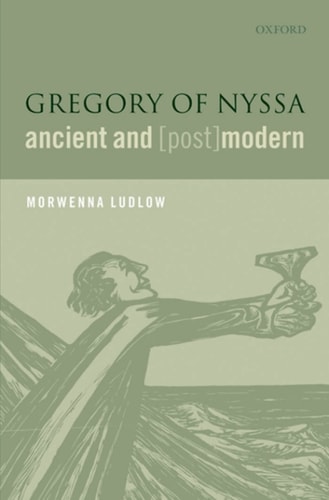
Gregory of Nyssa, Ancient and (Post)modern
0
0
As an Amazon Associate and affiliate partner, Menrva Books earns from qualifying purchases. Learn more
Author Description
The fourth-century Christian thinker, Gregory of Nyssa, has been the subject of a huge variety of interpretations over the past fifty years, from historians, theologians, philosophers, and others. In this highly original study, Morwenna Ludlow analyses these recent readings of Gregory of Nyssa and asks: What do they reveal about modern and postmodern interpretations of the Christian past? What do they say about the nature of Gregory's writing? Working thematically through studies of recent Trinitarian theology, Christology, spirituality, feminism, and postmodern hermeneutics, Ludlow develops an approach to reading the Church Fathers which combines the benefits of traditional scholarship on the early Church with reception-history and theology.
Menrva's Summary
THE THESIS
How do contemporary and postmodern interpretations of Gregory of Nyssa reflect the evolving methodologies and underlying assumptions of modern theological scholarship? Morwenna Ludlow, a scholar of early Christian history and theology, examines the diverse academic reception of the fourth-century thinker Gregory of Nyssa over the last half-century. By analyzing how modern historians, philosophers, and theologians have engaged with his work, Ludlow constructs a framework that bridges traditional patristic scholarship with modern reception-history. She argues that these interpretations reveal as much about the modern interpreter's own intellectual context as they do about the original historical figure.
THE SCOPE MAP
What You Will Find
- Analysis of recent scholarship on Trinitarian theology and Christology.
- Examination of feminist and postmodern hermeneutical approaches to patristic texts.
- A methodological synthesis of traditional historical research and reception-history.
Scope Limits
- The text does not provide a comprehensive biography of Gregory of Nyssa.
- It does not offer a systematic translation or commentary of Gregory's primary works.
THE AUTHORITY PERSPECTIVE
Scholars recognize this work as a significant contribution to the field of patristic reception studies, noting its ability to synthesize complex philosophical and theological trends. Readers frequently highlight the academic density of the prose, which is intended for those already familiar with the history of Christian thought.
Page Count:
360
Publication Date:
2007-01-01
Publisher:
Oxford University Press
ISBN-10:
0191535788
ISBN-13:
9780191535789
Religion
Philosophy
History
Christianity
Theology
Christian literature
Hermeneutics
Patristics
Community Tags
Other Editions(3)


Similar Books