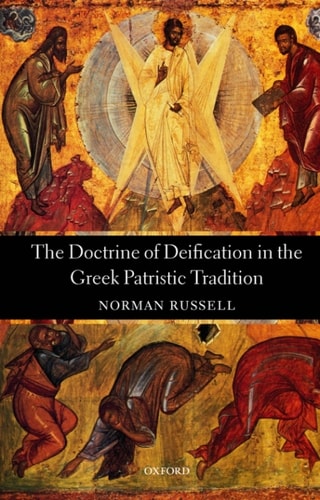
The Doctrine of Deification in the Greek Patristic Tradition
0
0
As an Amazon Associate and affiliate partner, Menrva Books earns from qualifying purchases. Learn more
Author Description
Deification in the Greek patristic tradition was the fulfilment of the destiny for which humanity was created - not merely salvation from sin but entry into the fullness of the divine life of the Trinity. This book, the first on the subject for over sixty years, traces the history of deification from its birth as a second-century metaphor with biblical roots to its maturity as a doctrine central to the spiritual life of the Byzantine Church. Drawing attention to the richness and diversity of the patristic approaches from Irenaeus to Maximus the Confessor, Norman Russell offers a full discussion of the background and context of the doctrine, at the same time highlighting its distinctively Christian character.
Menrva's Summary
THE THESIS
This book investigates the historical development and theological significance of the doctrine of deification within the Greek patristic tradition. Norman Russell, a scholar of early Christian thought, examines how the concept evolved from a second-century metaphor into a central pillar of Byzantine spirituality. By analyzing the writings of figures from Irenaeus to Maximus the Confessor, the author argues that deification represents the ultimate human destiny, transcending mere salvation from sin to encompass participation in the divine life of the Trinity.
THE SCOPE MAP
What You Will Find
- Historical analysis of the doctrine of deification from the second century through the Byzantine era.
- Theological examination of the transition from metaphorical usage to formal ecclesiastical doctrine.
- Comparative study of patristic approaches across multiple centuries.
Scope Limits
- The text focuses primarily on the Greek patristic tradition and does not provide an exhaustive comparative analysis of Latin or Western medieval theological developments.
THE AUTHORITY PERSPECTIVE
Scholars and theologians recognize this work as a foundational, comprehensive study that fills a significant gap in historical theology. Readers frequently note the academic density of the prose, which is tailored for students and researchers of early Christian history and doctrine.
Page Count:
432
Publication Date:
2005-01-01
Publisher:
OUP Oxford
ISBN-10:
0191532711
ISBN-13:
9780191532719
Religion
Philosophy
Christian Theology
Patristics
Church History
Apotheosis
Community Tags
Similar Books