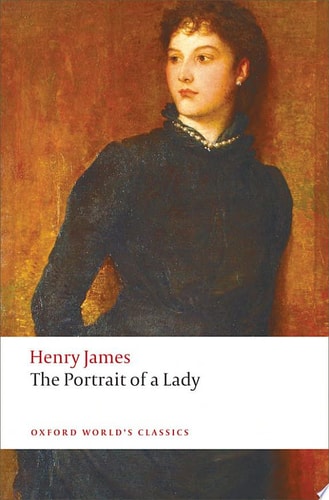
The Portrait of a Lady
0
0
As an Amazon Associate and affiliate partner, Menrva Books earns from qualifying purchases. Learn more
Author Description
When Isabel Archer, a young American woman with looks, wit, and imagination, arrives in Europe, she sees the world as `a place of brightness, of free expression, of irresistible action'. She turns aside from suitors who offer her their wealth and devotion to follow her own path. But that way leads to disillusionment and a future as constricted as `a dark narrow alley with a dead wall at the end'. In a conclusion that is one of the most moving in modern fiction, Isabel makes her final choice. The Portrait of a Lady is the masterpiece of James's middle period, and Isabel is perhaps his most engaging central character. This edition provides a challenging new introduction and detailed notes; the text is that of the New York Edition and includes Henry James's own preface.
Menrva's Summary
THE PULSE
Isabel Archer, an independent-minded American heiress, travels to Europe seeking personal freedom, only to find herself ensnared in a manipulative marriage that threatens her autonomy. Driven by a desire to experience life on her own terms, Isabel rejects traditional domestic security in favor of intellectual and social exploration. Her path is obstructed by the subtle machinations of Gilbert Osmond and Madame Merle, who view her wealth and idealism as assets to be exploited. The narrative employs a third-person limited perspective, focusing intensely on Isabel's internal psychological development as she navigates the rigid social hierarchies of the European elite.
INSIDE THE PAGES
- Extensive use of internal monologue to track character development
- Focus on the contrast between American idealism and European cynicism
- Intricate, multi-layered dialogue that reveals hidden motives
- Exploration of the tension between personal liberty and social obligation
- Detailed descriptions of architectural and artistic settings as reflections of character
- Gradual pacing that emphasizes psychological shifts over external action
- Use of irony to highlight the protagonist's growing disillusionment
- Inclusion of the author's original preface detailing his creative process
THE COLLECTIVE ECHO
Discussion often centers on the meticulous psychological realism Henry James employs to chart Isabel Archer's transition from naive optimism to somber awareness. Readers frequently highlight the novel's dense, deliberate prose style, which demands close attention to the nuances of social interaction and unspoken power dynamics. Critics often debate the ambiguity of the final scene, questioning whether Isabel's decision represents a tragic defeat or a final assertion of her moral integrity. The work is widely regarded as a foundational study of the international theme in literature, balancing character-driven drama with a sharp critique of 19th-century social structures.
Page Count:
668
Publication Date:
1995-01-01
Publisher:
Oxford University Press, Uk
ISBN-10:
0191568155
ISBN-13:
9780191568152
Literary Fiction
Classics
classic
Realism
Victorian
Psychological
Community Tags
Other Editions(62)

Phoemixx Classics Ebooks
2021
Default edition
Independently Published
2021

Independently Published
2020
Independently Published
2020

Independently Published
2020

Independently Published
2020

Independently Published
2020

Amazon Digital Services LLC - KDP Print US
2020

Independently Published
2020

iBoo Press House
2020

Independently Published
2020

Independently Published
2020
Independently Published
2019

Spuyten Duyvil Publishing
2019

Dreamscape Media
2018

CreateSpace Independent Publishing Platform
2017
CreateSpace Independent Publishing Platform
2017

CreateSpace Independent Publishing Platform
2017

CreateSpace Independent Publishing Platform
2017

CreateSpace Independent Publishing Platform
2017

Independently Published
2017
CreateSpace Independent Publishing Platform
2017

CreateSpace Independent Publishing Platform
2017

CreateSpace Independent Publishing Platform
2016

CreateSpace Independent Publishing Platform
2016

CreateSpace Independent Publishing Platform
2016

CreateSpace Independent Publishing Platform
2016

CreateSpace Independent Publishing Platform
2015

CreateSpace Independent Publishing Platform
2015

CreateSpace Independent Publishing Platform
2015

AudioGO
2014

Penguin Random House
2009
Baker & Taylor, CATS
2009
Oxford University Press
2009

Wilder Publications, Incorporated
2008
Penguin Group USA, Inc.
2008

ReadHowYouWant.com, Limited
2007

IndyPublish.com
2007
North Books
2007
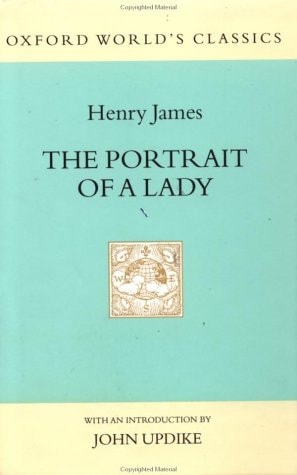
Oxford University Press
1999

Addison-Wesley Longman, Limited
1999

Chivers Press
1998

Penguin Books Australia
1997

Penguin
1997
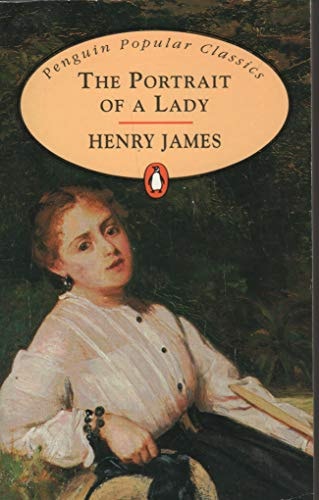
Penguin Books
1997
NewStar Media, Incorporated
1996

Barnes & Noble Books
1996

Turtleback
1996
State Street Press
1996
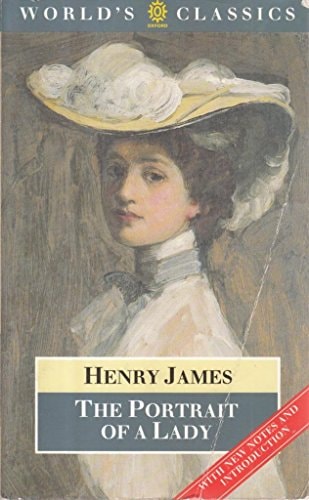
Oxford University Press
1995
Oxford University Press, Uk
1995
Signet Classic
1995

Everyman
1995

Buccaneer Books, Incorporated
1990

Bantam Classics
1983

Penguin Books
1968
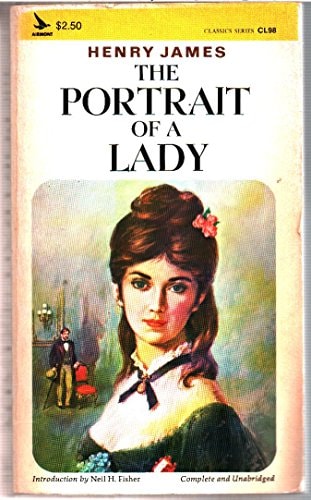
Airmont
1966
1947)
1947

Huge Print Press
1930

Huge Print Press
1891

Huge Print Press
1881

Huge Print Press
1880
Similar Books

Reader Comments
Share Your Thoughts
No comments yet. Be the first to share your thoughts!