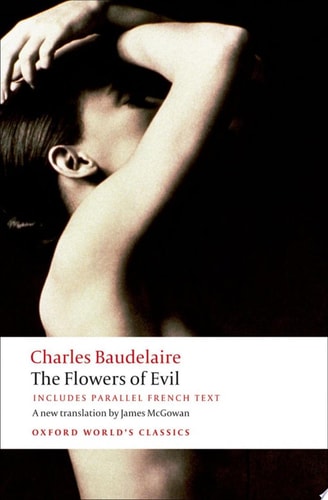
The Flowers of Evil
0
0
As an Amazon Associate and affiliate partner, Menrva Books earns from qualifying purchases. Learn more
Author Description
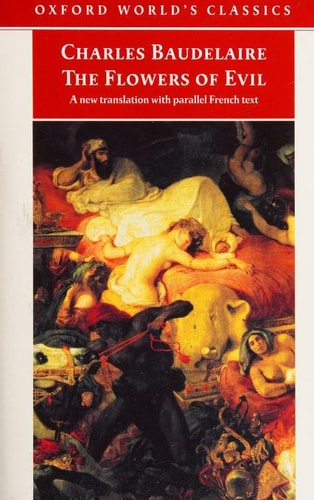
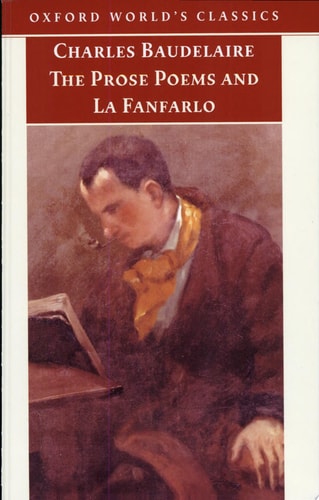
The Flowers Of Evil, Which T. S. Eliot Called The Greatest Example Of Modern Poetry In Any Language, Shocked The Literary World Of Nineteenth Century France With Its Outspoken Portrayal Of Lesbian Love, Its Linking Sexuality And Death, Its Unremitting Irony, And Its Unflinching Celebration Of The Seamy Side Of Urban Life. The Volume Was Seized By The Police, And Baudelaire And His Published Were Put On Trial For Offence To Public Decency. Six Offending Poems Were Banned, In A Conviction That Was Not Overturned Until 1949. This Bold New Translation, Which Restores The Banned Poems To Their Original Places And Reveals The Full Richness And Variety Of The Collection, Makes Available To English Speakers A Powerful And Original Version Of The World. Jonathan Culler's Introduction Outlines This Vision, Stressing That Baudelaire Is More Than Just The Poet Of The Modern City. Originally To Be Called `the Lesbians', The Flowers Of Evil Contains The Most Extraordinary Body Of Love Poetry. The Poems Also Pose The Question Of The Role Of Evil In Our Lives, Of Whether There Are Not External Forces Working To Frustrate Human Plans And To Enlist Men And Women On Appalling Or Stultifying Scenarios Not Of Their Own Making. About The Series: For Over 100 Years Oxford World's Classics Has Made Available The Widest Range Of Literature From Around The Globe. Each Affordable Volume Reflects Oxford's Commitment To Scholarship, Providing The Most Accurate Text Plus A Wealth Of Other Valuable Features, Including Expert Introductions By Leading Authorities, Helpful Notes To Clarify The Text, Up-to-date Bibliographies For Further Study, And Much More.
Menrva's Summary
THE PULSE
The collection serves as a visceral exploration of the tension between the pursuit of beauty and the inevitable decay of the human condition. Baudelaire positions the poet as an observer of the modern urban landscape, navigating the dualities of spiritual aspiration and physical degradation. The poems utilize a structured, rhythmic framework to examine themes of melancholy, eroticism, and the grotesque. Through these verses, the speaker confronts the limitations of existence and the persistent presence of moral and existential corruption.
INSIDE THE PAGES
- Exploration of urban alienation and the modern city environment
- Integration of themes linking sexuality with mortality
- Use of irony to critique societal norms and public decency
- Incorporation of previously banned verses to restore the original structure
- Focus on the aestheticization of the grotesque and the macabre
- Examination of the role of evil in human experience
- Scholarly introduction providing historical and literary context
- Inclusion of explanatory notes to clarify complex symbolism
THE COLLECTIVE ECHO
Readers and critics frequently identify this work as a foundational pillar of modern poetry that redefined the boundaries of acceptable subject matter in the nineteenth century. Discussion often centers on Baudelaire's ability to find beauty within the sordid and the decaying aspects of urban life. Many highlight the technical precision of the verse, noting how the rhythmic structure contrasts with the often unsettling nature of the imagery. Scholars emphasize the collection's enduring influence on subsequent generations of writers who sought to explore the darker facets of the human psyche. The consensus remains that the work serves as a critical document for understanding the transition toward modern literary sensibilities.
Page Count:
464
Publication Date:
1993-01-01
Publisher:
Oxford University Press
ISBN-10:
0191610844
ISBN-13:
9780191610844
Poetry
Classic Literature
19th Century
Symbolism
French literature
Community Tags
Similar Books