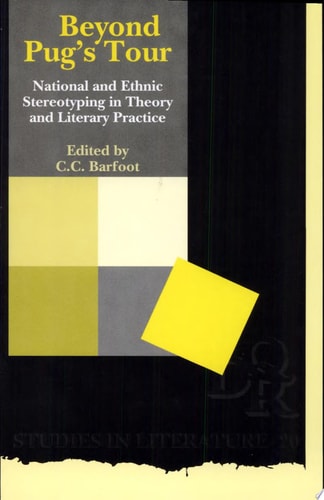
Beyond Pug's Tour: National and Ethnic Stereotyping in Theory and Literary Practice
0
0
As an Amazon Associate and affiliate partner, Menrva Books earns from qualifying purchases. Learn more
Author Description
At a time when the world, Europe especially, is once more threatened by murderous conflicts between groups of people claiming ethnic and national identity as a basis for sovereignty over specific territories, it is timely to consider the part that literature has played and is playing in the creation of ethnic and national stereotypes. What role do such stereotypes have in literature? How are they created? From what materials are they constructed? What purpose do ethnic and national stereotypes serve? Can it ever be a useful one? Are they avoidable? Can we live without them? What can be done about the deleterious effects they may be thought to produce? Stereotyping is worldwide -- is there a tribe, race and nation in existence which escapes being stereotyped by its neighbours? In what sense are these stereotypes accurate? How are these stereotypes reflected in and reinforced by literature? Should and can literature do anything about them? In Beyond Pug's Tour: National and Ethnic Stereotyping in Theory and Literary Practice, literary scholars, as well as academics engaged in sociological and psychological research, consider these and other questions by examining the work of specific authors and the circumstances in which stereotyping plays such a crucial part.
Menrva's Summary
THE THESIS
This collection investigates the pervasive role of national and ethnic stereotypes in literature and their societal implications. The book brings together literary scholars and academics from sociology and psychology to examine how stereotypes are created, the materials they are constructed from, and the purposes they serve. It questions whether these stereotypes are avoidable, their accuracy, and how literature reflects and reinforces them, while also considering literature's potential to address their deleterious effects.
THE SCOPE MAP
- Analysis of the creation and function of national and ethnic stereotypes in literary works.
- Examination of specific authors and their engagement with stereotyping.
- Exploration of the societal and psychological dimensions of stereotyping.
- Discussion on the accuracy and impact of stereotypes in literature.
- Consideration of literature's capacity to challenge or perpetuate stereotypes.
- Inquiry into the inevitability and avoidability of ethnic and national stereotyping.
- Exploration of the historical and contemporary relevance of stereotyping in conflict.
THE AUTHORITY PERSPECTIVE
This collection addresses timely questions regarding the creation and impact of national and ethnic stereotypes within literature. The contributors, a mix of literary scholars and social scientists, offer diverse perspectives on how these stereotypes are constructed and the purposes they serve. The book is structured to explore both theoretical underpinnings and practical literary examples, aiming to shed light on literature's role in perpetuating or challenging societal biases. Its examination of specific authors and contexts provides a nuanced view of a complex and enduring issue.
Page Count:
594
Publication Date:
1997-01-01
Publisher:
Rodopi
ISBN-10:
9042001682
ISBN-13:
9789042001688
Non-Fiction
Sociology
Literary Criticism
Community Tags
Similar Books