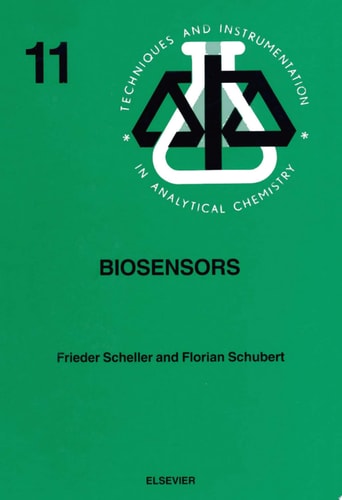
Biosensors
0
0
As an Amazon Associate and affiliate partner, Menrva Books earns from qualifying purchases. Learn more
Author Description
Biosensors combine the unique properties of biological systems to selectively recognize and convert molecules with the benefits of physicochemical sensor technology, such as high sensitivity, simplicity of operation and mass production, and modern electronics. Consequently, their development is closely related to progress in two branches of high technology - biotechnology and microelectronics. This book not only presents the state-of-the-art of biosensor research and development to the specialist, but also introduces the layman to the fundamentals of the subject. The relevant features of physicochemical transducer elements as well as biochemical recognition molecules (enzymes, antibodies, receptors) are outlined. Biochemical and biotechnological aspects of biomolecule immobilization and the interplay of biochemical reactions and mass transfer processes are comprehensively treated with regard to their impact on successful sensor design. Examples of immobilization methods are described in detail. The employment of coupled enzyme reactions, higher integrated biocatalytic systems (cell organelles, microbes, tissue sections) and immunocomponents in biosensors is covered extensively. Optical, thermometric, piezoelectric and particularly electrochemical biosensors for more than 100 analytes are presented, including immunosensors. The relative merits and limits of biosensors are discussed using several examples of their application in clinical chemistry, bioprocess control and environmental monitoring. Finally, the application of biosensors in medicine, biotechnology, food industry and environmental control is discussed, including commercialization and problems to be addressed in future research.
Menrva's Summary
THE THESIS
Biosensors integrate biological recognition with physicochemical sensor technology to create highly sensitive and operational devices. This book details the state-of-the-art in biosensor research and development, bridging the gap between specialized knowledge and general understanding. It explores the fundamental principles, outlining the features of biological recognition molecules and transducer elements, and comprehensively discusses biochemical aspects of immobilization and reaction kinetics crucial for sensor design. The text presents numerous examples of biosensor applications across various fields, including their commercialization and future research directions.
THE SCOPE MAP
- Fundamentals of biosensor technology, combining biological and physicochemical principles.
- Detailed examination of biochemical recognition molecules (enzymes, antibodies, receptors).
- Physicochemical transducer elements and their role in sensor technology.
- Biomolecule immobilization techniques and their impact on sensor performance.
- Interplay of biochemical reactions and mass transfer processes in sensor design.
- Examples of coupled enzyme reactions and integrated biocatalytic systems.
- Coverage of optical, thermometric, piezoelectric, and electrochemical biosensors.
- Applications in clinical chemistry, bioprocess control, environmental monitoring, medicine, and the food industry.
THE AUTHORITY PERSPECTIVE
This book is presented as a comprehensive resource for both specialists and laymen interested in biosensor technology. It aims to provide a thorough overview of the current research and development landscape, detailing the integration of biological and electronic components. The text covers a wide array of technical aspects, from molecular recognition to practical applications and commercialization challenges. The scope suggests a detailed and informative text for those seeking to understand the field's intricacies and potential.
Page Count:
358
Publication Date:
1991-11-21
Publisher:
Elsevier
ISBN-10:
0080875599
ISBN-13:
9780080875590
Science
Non-Fiction
Science & Technology
Biotechnology
Engineering
Technology
Community Tags
Similar Books