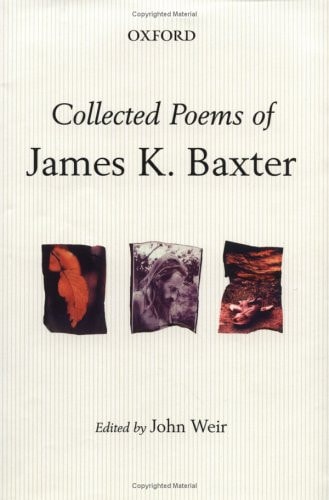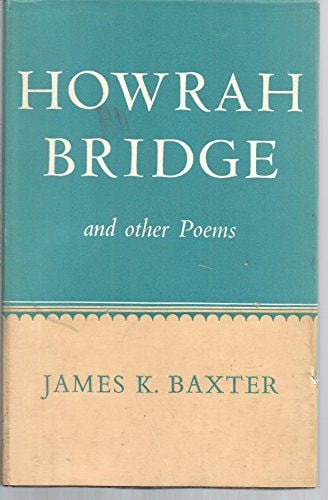
Howrah Bridge
0
0
As an Amazon Associate and affiliate partner, Menrva Books earns from qualifying purchases. Learn more
Author Description
No description available.
Menrva's Summary
THE PULSE
The poem captures the tension between the industrial permanence of the Howrah Bridge and the transient, often fragmented nature of human experience. Baxter utilizes the bridge as a central motif to explore themes of displacement, urban alienation, and the intersection of colonial history with the physical landscape. The narrative framework relies on vivid, sensory-heavy imagery to contrast the structural rigidity of the bridge against the fluid, unpredictable movements of the people who traverse it. The speaker acts as an observer, navigating the psychological weight of the environment while grappling with the isolation inherent in a bustling, foreign setting.
INSIDE THE PAGES
- Use of industrial imagery to represent societal structures
- Focus on the contrast between static architecture and human movement
- Exploration of themes related to exile and cultural displacement
- Incorporation of modernist stylistic techniques
- Emphasis on sensory details of the urban environment
- Reflective, observational tone throughout the verses
- Rhythmic pacing that mimics the flow of traffic or water
- Symbolic representation of the bridge as a threshold between worlds
THE COLLECTIVE ECHO
Readers and critics often note that Baxter’s work in this collection reflects his deep engagement with the complexities of identity and place. Discussion frequently centers on his ability to transform mundane urban structures into potent symbols of existential struggle. The pacing is described as deliberate and contemplative, allowing the reader to fully inhabit the atmosphere of the setting. Scholars highlight the precision of his language, which balances technical control with a raw, unvarnished look at the human condition. Many find that the poems provide a window into the poet's own internal conflicts regarding his role as an observer in a rapidly changing world.
Page Count:
64
Publication Date:
1961-01-01
Publisher:
Oxford University Press
ISBN-10:
0192112317
ISBN-13:
9780192112316
Poetry
New Zealand
Community Tags
Similar Books