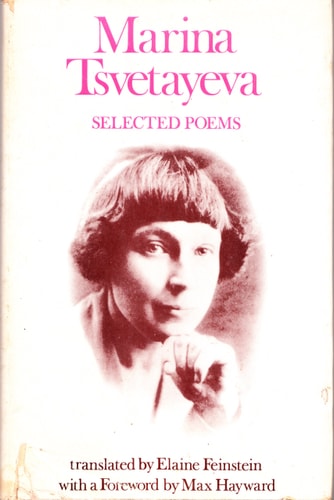
Marina Tsvetaeva: Selected Poems
0
0
As an Amazon Associate and affiliate partner, Menrva Books earns from qualifying purchases. Learn more
Author Description
Representative selections of the Russian poet's work reveal her technical skill and lyrical power
Menrva's Summary
THE PULSE
The central conflict arises from the tension between the poet's internal emotional volatility and the rigid constraints of the historical and political landscape of early 20th-century Russia. Tsvetaeva navigates the objective of expressing profound existential isolation and personal loss through a highly compressed, rhythmic, and often elliptical linguistic framework. The poems function as a first-person record of displacement, where the speaker confronts the opposing forces of state censorship, poverty, and the inevitable decay of personal relationships. The narrative structure is non-linear, relying on fragmented imagery and intense lyrical outbursts to convey the speaker's psychological state.
INSIDE THE PAGES
- Use of unconventional syntax and irregular meter
- Frequent employment of internal rhyme and assonance
- Exploration of themes related to exile and alienation
- Integration of mythological and historical allusions
- Focus on the intersection of private grief and public upheaval
- High density of metaphorical language
- Shift between intimate address and grand, declamatory tone
- Emphasis on the sonic qualities of the Russian language
THE COLLECTIVE ECHO
Readers and critics frequently highlight the technical precision and emotional intensity present in Tsvetaeva's verse. Discussion often centers on her ability to manipulate traditional poetic forms to accommodate modern, fractured experiences. Scholars emphasize the importance of her work in understanding the broader context of Russian Silver Age literature. The reception of these poems is marked by an appreciation for her uncompromising voice and the structural complexity of her stanzas. Many readers find that the work demands multiple readings to fully grasp the layers of meaning embedded within her concise, sharp lines.
Page Count:
103
Publication Date:
1971-01-01
Publisher:
Oxford University Press
ISBN-10:
019211803X
ISBN-13:
9780192118035
Classics
Poetry
Anthology
Russian
Community Tags
Similar Books