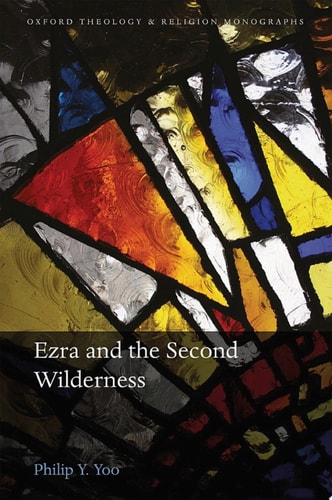
Ezra and the Second Wilderness
0
0
As an Amazon Associate and affiliate partner, Menrva Books earns from qualifying purchases. Learn more
Author Description
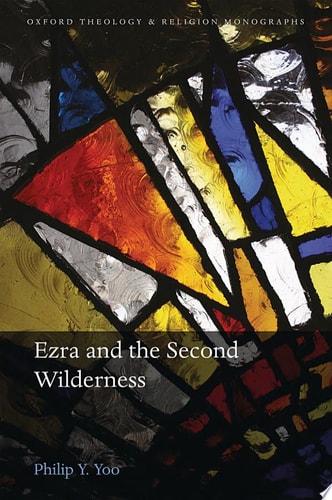
Ezra and the Second Wilderness addresses the relationship between Ezra, the Ezra Memoir, and the Pentateuch. Tracing the growth of the Ezra Memoir and its incorporation into Ezra-Nehemiah, Philip Y. Yoo discusses the literary strategies utilized by some of the composers and redactors operating in the post-exilic period. After the strata in Ezra 7-10 and Nehemiah 8-10 are identified, what emerges as the base Ezra Memoir is a coherent account of Ezra's leadership of the exiles from Babylon over the course of a single year, one that is intricately modelled on the multiple presentations of Moses and the Israelite wilderness preserved in the Pentateuch. Through discussion of the detected influences, allusions, and omissions between the Pentateuch and the Ezra Memoir, Yoo shows that the Ezra Memoir demonstrates a close understanding of its source materials and received traditions as it constructs the Babylonian returnees as the inheritors of torah and, in turn, the true and unparalleled successors of the Israelite cult. This study presents the Ezra Memoir as a sophisticated example of 'biblical' interpretation in the Second Temple period. It also suggests that the Ezra Memoir has access to the Pentateuch in only its constituent parts. Acknowledging not only the antiquity but also efficacy of its prototypes, the Ezra Memoir employs a variety of hermeneutical strategies in order to harmonize the competing claims of its authoritative sources. In closing the temporal gap between these sources and its own contemporary time, the Ezra Memoir grants authority to the utopic past yet also projects its own vision for the proper worship of Israel's deity.
Menrva's Summary
THE THESIS
How did the authors of the Ezra Memoir utilize the Pentateuch to construct a new identity for post-exilic returnees? Philip Y. Yoo, a scholar of Hebrew Bible and Second Temple literature, examines the literary strata within Ezra 7-10 and Nehemiah 8-10. By analyzing the redactional history of these texts, he argues that the Ezra Memoir was intentionally modeled on the Mosaic wilderness traditions to establish the Babylonian returnees as the legitimate successors of the Israelite cult.
THE SCOPE MAP
What You Will Find
- A detailed literary analysis of the Ezra Memoir strata.
- An examination of hermeneutical strategies used to harmonize competing biblical sources.
- A comparative study of the Ezra Memoir and Pentateuchal wilderness narratives.
Scope Limits
- The study focuses primarily on the Ezra Memoir and does not provide a comprehensive history of the entire Second Temple period.
- It does not address archaeological evidence outside of the textual analysis of the Ezra-Nehemiah corpus.
THE AUTHORITY PERSPECTIVE
Scholars in the field of biblical studies recognize this monograph as a rigorous contribution to the understanding of post-exilic redactional processes. Readers frequently note the academic density of the prose, which is intended for specialists in theology and historical-critical methodology.
Page Count:
288
Publication Date:
2017-01-01
Publisher:
OUP Oxford
ISBN-10:
0192509020
ISBN-13:
9780192509024
History
Religion
Bible commentaries o t historical books
Theology
Academic
Bibles