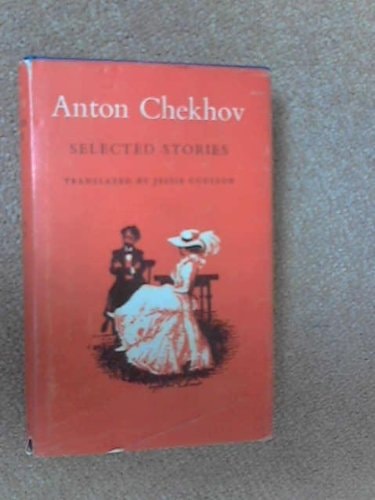
Selected Stories
0
0
As an Amazon Associate and affiliate partner, Menrva Books earns from qualifying purchases. Learn more
Author Description
No description available.
Menrva's Summary
THE PULSE
The central conflict often arises from the quiet, internal friction between the mundane realities of daily life and the unfulfilled aspirations of the characters. Chekhov presents a series of vignettes that examine the human condition through the lens of provincial life, social stagnation, and the subtle decay of the Russian aristocracy. The narrative framework typically employs a detached, observational third-person perspective that allows the reader to witness the characters' psychological states without overt authorial judgment. The primary forces opposing the protagonists are usually their own inertia, societal expectations, and the inevitable passage of time.
INSIDE THE PAGES
- Focus on psychological realism over dramatic plot progression
- Use of subtext to convey unspoken desires and frustrations
- Emphasis on atmosphere and the setting of provincial Russia
- Minimalist narrative structure that avoids traditional climaxes
- Exploration of the banality of everyday existence
- Character-driven vignettes highlighting social class disparities
- Irony used as a tool to expose human contradictions
- Precise, economical prose style that prioritizes clarity
THE COLLECTIVE ECHO
Readers and critics frequently highlight Chekhov's ability to capture the complexity of human emotion within a very limited word count. Discussion often centers on his mastery of the 'slice of life' technique, which prioritizes character interiority over external action. Many observers note that the pacing is deliberate and contemplative, requiring the reader to engage with the subtle shifts in tone rather than rapid plot developments. The effectiveness of his world-building is often praised for its stark, unvarnished depiction of late 19th-century Russian society. These stories remain a frequent point of study for those interested in the evolution of the modern short story form.
Page Count:
382
Publication Date:
2000-01-01
Publisher:
Oxford University Press
ISBN-10:
0192505998
ISBN-13:
9780192505996
Fiction
Classic Literature
Russian
Short Stories
Realism
Community Tags
Similar Books