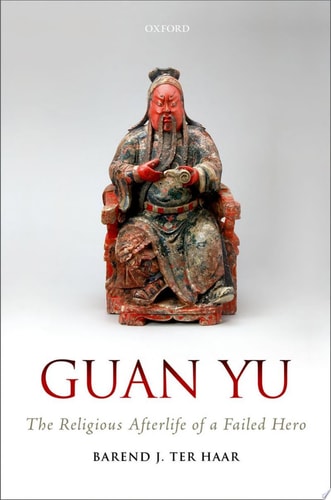
Guan Yu
0
0
As an Amazon Associate and affiliate partner, Menrva Books earns from qualifying purchases. Learn more
Author Description
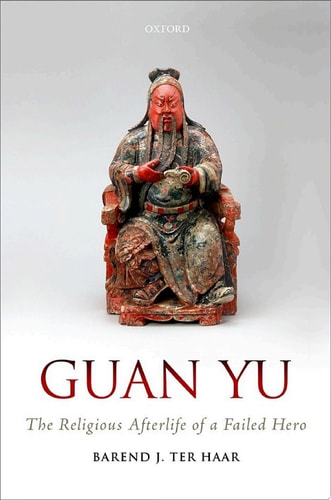
Guan Yu Was A Minor General In The Early Third Century Ce, Who Supported One Of Numerous Claimants To The Throne. He Was Captured And Executed By Enemy Forces In 219. He Eventually Became One The Most Popular And Influential Deities Of Imperial China Under The Name Lord Guan Or Emperor Guan, Of The Same Importance As The Buddhist Bodhisattva Guanyin. This Is A Study Of His Cult, But Also Of The Tremendous Power Of Oral Culture In A World Where Writing Became Increasingly Important. In This Study, We Follow The Rise Of The Deity Through His Earliest Stage As A Hungry Ghost, His Subsequent Adoption By A Prominent Buddhist Monastery During The Tang (617-907) As Its Miraculous Supporter, And His Recruitment By Daoist Ritual Specialists During The Song Dynasty (960-1276) As An Exorcist General. He Was Subsequently Known As A Rain God, A Protector Against Demons And Barbarians, And, Eventually, A Moral Paragon And Almost Messianic Saviour. Throughout His Divine Life, The Physical Prowess Of The Deity, More Specifically Lord Guan's Ability To Use Violent Action For Doing Good, Remained An Essential Dimension Of His Image. Most Research Ascribes A Decisive Role In The Rise Of His Cult To The Literary Traditions Of The Three Kingdoms, Best Known From The Famous Novel By This Name. This Book Argues That The Cult Arose From Oral Culture And Spread First And Foremost As An Oral Practice.
Menrva's Summary
THE THESIS
This book investigates how a minor third-century military figure evolved into one of the most influential deities in Chinese history. Barend J. ter Haar, a scholar of Chinese religious culture, challenges the prevailing academic consensus that the cult of Guan Yu was primarily driven by the literary traditions of the Three Kingdoms novel. Instead, the author argues that the deity's rise was rooted in oral culture and spread through lived, performative practices long before being codified in written texts.
THE SCOPE MAP
What You Will Find
- A chronological analysis of Guan Yu's transformation from a historical general to a Buddhist protector, Daoist exorcist, and moral paragon.
- An examination of the interplay between oral traditions and the increasing dominance of written records in imperial China.
- Evidence tracing the deity's functional shifts, including roles as a rain god and a protector against supernatural and external threats.
Scope Limits
- The study does not focus on the historical military career of the actual Guan Yu beyond his initial death and deification.
- It does not provide a literary critique of the Three Kingdoms novel, but rather addresses the novel's secondary role in the cult's development.
THE AUTHORITY PERSPECTIVE
Experts recognize this work as a significant contribution to the study of Chinese popular religion and the mechanics of deity formation. Readers frequently note the academic rigor of the text, which provides a detailed look at how oral traditions shape religious identity over centuries.
Page Count:
320
Publication Date:
2017-01-01
Publisher:
Oxford University Press
ISBN-10:
0192525425
ISBN-13:
9780192525420
Religion
History
Chinese History
Folklore
Mythology