Design and Screening of Drugs by Computational Techniques
0
0
As an Amazon Associate and affiliate partner, Menrva Books earns from qualifying purchases. Learn more
Author Description
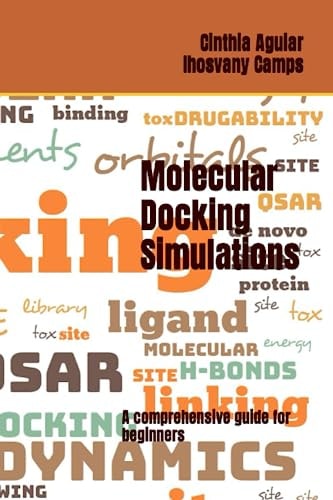
The goal of the manual is about to provide practical knowledge about ligand based in silico drug design and toxicity screening of target known drug molecule. It explains the pharmacophore library preparation of drug molecules, virtual screening and docking (protein-protein interactions and Protein-Lead molecules interaction). All soft ware's used related to this are available at public Web servers or can be freely downloaded for academic use. The manual follow a logical path from the basic notions used in description of lead molecule selection based on its therapeutic property and structural similarity identification for the chemical modification at specific groups. Here we explained usage of the databases of NCBI and PUBCHEM for ligand selection and its physic-chemical properties. Preparation of a library of thousands of compounds based on its functional groups and screened for their druggability using various bioinformatics tools. The manual is based in part on the "library preparation, virtual screening, active molecule selection and docking with target protein".
Menrva's Summary
THE THESIS
This manual aims to equip readers with practical knowledge in ligand-based in silico drug design and toxicity screening of known drug molecules. It details the process of preparing pharmacophore libraries, conducting virtual screening, and performing docking simulations for protein-protein and protein-lead molecule interactions. The methodologies described utilize publicly available or freely downloadable software, guiding users from basic concepts of lead molecule selection based on therapeutic properties and structural similarity to chemical modification. The text emphasizes the use of NCBI and PubChem databases for ligand selection and property analysis, followed by the screening of large compound libraries for druggability using various bioinformatics tools.
THE SCOPE MAP
- Ligand-based in silico drug design principles
- Toxicity screening of known drug molecules
- Pharmacophore library preparation
- Virtual screening techniques
- Protein-protein interaction docking
- Protein-lead molecule interaction docking
- Use of NCBI and PubChem databases for ligand selection
- Bioinformatics tools for screening compound libraries
THE AUTHORITY PERSPECTIVE
The content of this manual focuses on providing practical, hands-on knowledge for computational drug design and screening. It is structured to guide users through established bioinformatics tools and databases, suggesting a resource geared towards students and researchers in the field. The emphasis on publicly available software indicates an intention to make these advanced techniques accessible for academic purposes. The logical progression from basic concepts to specific applications implies a pedagogical approach to the subject matter.
Page Count:
76
Publication Date:
2017-10-19
Publisher:
LAP LAMBERT Academic Publishing
ISBN-10:
6202060565
ISBN-13:
9786202060561
Science
Non-Fiction
Bioinformatics
Drug Design
Computational Chemistry
Pharmacology
Community Tags
Similar Books