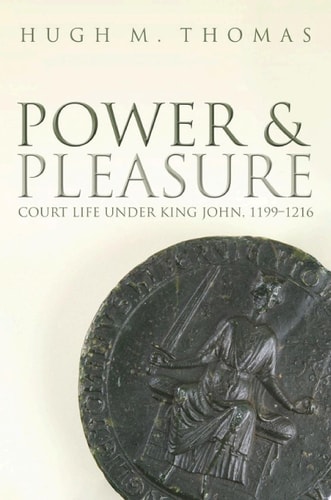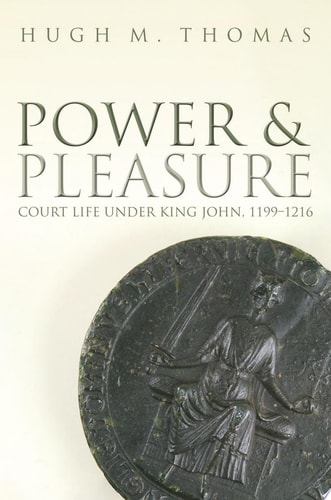
Power and Pleasure: Court Life Under King John, 1199-1216
0
0
As an Amazon Associate and affiliate partner, Menrva Books earns from qualifying purchases. Learn more
Author Description
Although King John Is Remembered For His Political And Military Failures, He Also Resided Over A Magnificent Court. Power And Pleasure Reconstructs Life At The Court Of King John And Explores How His Court Produced Both Pleasure And Soft Power. Much Work Exists On Courts Of The Late Medieval And Early Modern Periods, But The Jump In Record Keeping Under John Allows A Detailed Reconstruction Of Court Life For An Earlier Period. Power And Pleasure: Court Life Under King John, 1199-1216 Examines The Many Facets Of John's Court, Exploring Hunting, Feasting, Castles, Landscapes, Material Luxury, Chivalry, Sexual Coercion, And Religious Activities. It Explains How John Mishandled His Use Of Soft Power, Just As He Failed To Exploit His Financial And Military Advantages, And Why He Received So Little Political Benefit From His Magnificent Court. John's Court Is Viewed In Comparison To Other Courts Of The Time, And In Previous And Subsequent Centuries.
Menrva's Summary
THE THESIS
How did the court of King John function as a mechanism for both political influence and personal indulgence during the early thirteenth century? Hugh M. Thomas, a specialist in medieval history, utilizes the expanded administrative record-keeping practices established during John's reign to reconstruct the daily operations of the royal court. The author argues that while the court was a site of significant material luxury and cultural activity, John’s inability to effectively leverage these displays of soft power contributed to his broader political failures. By analyzing the intersection of governance and lifestyle, the text provides a framework for understanding the limitations of royal authority in the Angevin period.
THE SCOPE MAP
What You Will Find
- Analysis of court activities including hunting, feasting, and religious observance
- Examination of material culture, castle architecture, and landscape usage
- Comparative study of court life across the twelfth, thirteenth, and fourteenth centuries
- Investigation into the role of chivalry and sexual coercion within the royal household
Scope Limits
- The study focuses primarily on the period between 1199 and 1216
- It does not provide a comprehensive military biography of King John
THE AUTHORITY PERSPECTIVE
Historians note that this work provides a rare, granular look at early medieval court life made possible by the unique administrative records of the era. Scholars frequently highlight the text as a significant contribution to understanding the intersection of political failure and cultural display in the Angevin court.
Page Count:
304
Publication Date:
2020-01-01
Publisher:
Oxford University Press
ISBN-10:
0192523406
ISBN-13:
9780192523402
Biography
History
Political History
British History
Cultural History