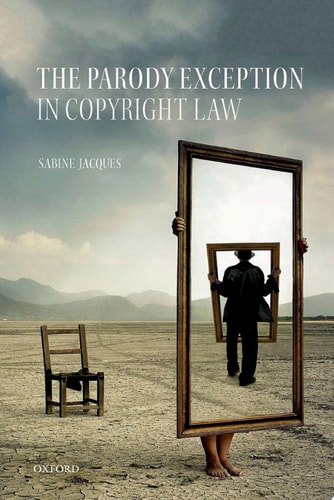
The Parody Exception in Copyright Law
0
0
As an Amazon Associate and affiliate partner, Menrva Books earns from qualifying purchases. Learn more
Author Description
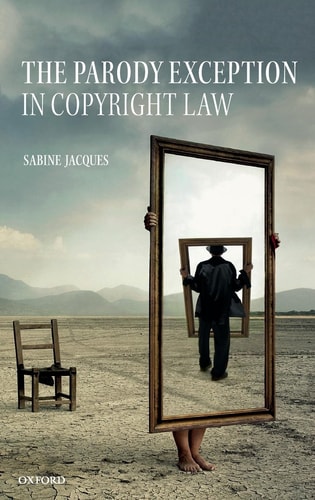
Parodies have been created throughout times and cultures. A glimpse at the general judicial latitude generally afforded to parodies, satires, caricatures, and pastiches demonstrates the social and cultural value of this particular form of artistic expression. With the advent of technologies and the evolution of copyright legislation, creative endeavours in the form of parody gathered a new youth but became unlawful. While copyright law grants exclusive rights to right-holders, this right is not absolute. Legislation includes specific exceptions, which preclude right-holders from exercising their prerogatives in particular cases which foster creativity and cultural diversity within that society. The parody exception pertains to this ultimate objective by permitting users to reproduce copyright-protected materials for the purpose of parody. To understand the meaning and scope of the parody exception, this book examines and compares five jurisdictions which differ in their protection of parodies: France, Australia, Canada, the US and the United Kingdom. This book is concerned with finding an appropriate balance between the protection awarded to right-holders and the public interest. This is achieved by analysing the parody exception to the economic rights of right-holders, the preservation of moral rights and the interaction of the parody exception with contract law. As parodies constitute an artistic expression protected under the right to freedom of expression, this book also considers the influence of freedom of expression on the interpretation of this specific copyright exception. Furthermore, this book aims at providing guidance on how to resolve conflicts where fundamental rights are in conflict. This is the first book in English to offer an in-depth investigation into the parody exception in copyright law, and comments on industry practices linked to this form of creative endeavours.
Menrva's Summary
THE THESIS
This book investigates the legal framework and judicial interpretation of the parody exception within copyright law to determine how to balance the rights of creators against the public interest in freedom of expression. Sabine Jacques, a legal scholar, utilizes a comparative analysis of five distinct jurisdictions to evaluate how different legislative systems manage the tension between exclusive economic rights and the cultural necessity of transformative artistic works. The text argues that the parody exception is essential for fostering creativity and cultural diversity while navigating the complexities of moral rights and contractual obligations.
THE SCOPE MAP
What You Will Find
- Comparative legal analysis of France, Australia, Canada, the US, and the United Kingdom
- Examination of the interaction between copyright exceptions and freedom of expression
- Analysis of economic rights, moral rights, and contract law in the context of parody
- Commentary on contemporary industry practices regarding derivative works
Scope Limits
- Does not provide a universal legal solution applicable to all global jurisdictions
- Focuses primarily on the parody exception rather than broader fair use or fair dealing doctrines in their entirety
THE AUTHORITY PERSPECTIVE
Legal scholars and practitioners identify this work as a foundational text for understanding the intersection of intellectual property and artistic expression. Readers frequently note the academic density of the prose, which provides a rigorous examination of international copyright standards.
Page Count:
297
Publication Date:
2019-01-01
Publisher:
OUP Oxford
ISBN-10:
0192529986
ISBN-13:
9780192529985
Copyright Law
Legal Studies
Intellectual Property
Parody
Professional Career & Trade
Law
Media Law
Community Tags
Other Editions(3)

Similar Books
Reader Comments
Share Your Thoughts
No comments yet. Be the first to share your thoughts!