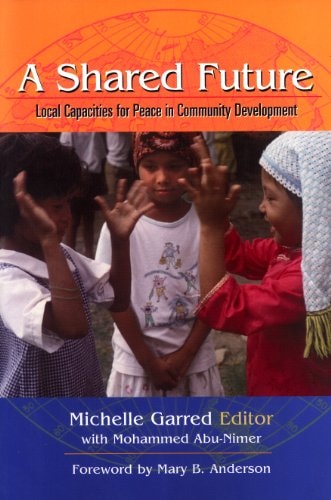
A Shared Future: Local Capacities for Peace in Community Development
0
0
As an Amazon Associate and affiliate partner, Menrva Books earns from qualifying purchases. Learn more
Author Description
In the basic vocabulary of humanitarian assistance, "Do No Harm" and "Local Capacities for Peace" (LCP) often interchangeably describe the tool developed by the Collaborative for Development Action and a broad range of NGOs to analyze whether influxes of aid (food, shelter, training, etc.) build communities' unity or contribute to conflict and violence. Early on, World Vision committed to testing the tenets of LCP, first in relief contexts and more recently in community development. Thousands of WV staff have now received training in LCP, generating a groundswell of programme redesign and improved sensitivity to sources of conflict. This stimulating book chronicles World Vision's groundbreaking experiences and learnings in adapting LCP for long-term transformational development, as well as for enhancing how faith-based NGOs could work in multi-faith environments where religion can be either a divider or a connector in relationships. Among the outcomes documented, community and local government leaders began adopting the LCP framework in their own design of programmes and applying LCP principles in their own lives. Also discussed are new resources now available as World Vision continues to develop and refine tools to use alongside LCP that further conflict-sensitive development in varieties of micro and macro contexts.
Menrva's Summary
THE THESIS
This book investigates how local capacities can be harnessed to foster peace within community development initiatives. It chronicles World Vision's experiences in adapting the 'Local Capacities for Peace' (LCP) framework for long-term development and multi-faith environments. The work details how community and local government leaders have adopted LCP principles, and introduces new resources for conflict-sensitive development across various contexts.
THE SCOPE MAP
- Adaptation of the 'Local Capacities for Peace' (LCP) framework for long-term development.
- Strategies for enhancing collaboration in multi-faith environments.
- Documentation of community and local government leaders adopting LCP.
- Introduction of new resources for conflict-sensitive development.
- Analysis of LCP's application in micro and macro contexts.
THE AUTHORITY PERSPECTIVE
The book documents World Vision's pioneering efforts in applying the 'Local Capacities for Peace' framework within community development, highlighting its adaptation for long-term transformational goals and multi-faith settings. It showcases the successful adoption of LCP principles by local leaders, indicating a practical impact on program design and personal application. The text also introduces supplementary tools developed to further conflict-sensitive development. The reception, as indicated by the description, suggests a focus on practical application and the integration of peacebuilding into development work.
Page Count:
146
Publication Date:
2006-01-01
Publisher:
World Vision International
ISBN-10:
1933785012
ISBN-13:
9781933785011
Non-Fiction
Self-help
Peacebuilding
Conflict Resolution
Community Development
Community Tags
Similar Books