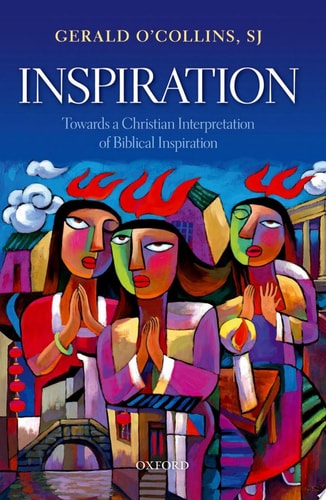
Inspiration: Towards a Christian Interpretation of Biblical Inspiration
0
0
As an Amazon Associate and affiliate partner, Menrva Books earns from qualifying purchases. Learn more
Author Description
Inspiration: Towards a Christian Interpretation of Biblical Inspiration anchors its study of inspiration firmly in the Scriptures and examines the inspired nature of the Bible and its inspiring impact. Gerald O'Collins begins by examining classical view of inspiration expounded by Karl Barth and Raymond Collins. He takes up the inspired origin of the Old Testament, where earlier books helped to inspire later books, before moving to the New Testament, which throughout shows the inspiring impact of the inherited Scriptures--both in direct citations and in many echoes. The work then investigates the Bible's inspiring influence on Christian worship, preaching, teaching, the visual arts, literature, and life. After a chapter that clarifies the interrelationship between divine revelation, tradition, and inspiration, two chapters expound ten characteristics of biblical inspiration, with special emphasis on the inspiring quality of the Bible. O'Collins explains a major consequence of inspiration, biblical truth, and the grounds on which the Church 'canonized' the Scriptures. After spelling out three approaches to biblical interpretation (the authorial intention, the role of readers, and the primacy of the text itself), the book ends by setting out ten principles for engaging theologically with the Scriptures. An epilogue highlights two achievements of the book. By carefully distinguishing inspiration from divine revelation and biblical truth, it can deliver readers from false problems. This work also underlines the inspiring effects of the Scriptures as part of the Holy Spirit's work of inspiration.
Menrva's Summary
THE THESIS
This work investigates the nature of biblical inspiration by distinguishing it from divine revelation and exploring the Bible's ongoing capacity to inspire Christian life and practice. Gerald O'Collins, a prominent theologian, utilizes a framework that bridges historical analysis with contemporary theological reflection. He evaluates classical perspectives, such as those of Karl Barth, while synthesizing biblical evidence to argue for a multifaceted understanding of inspiration that encompasses both the origin of the texts and their enduring influence on the Church.
THE SCOPE MAP
What You Will Find
- Analysis of classical theological views on inspiration
- Examination of the interrelationship between revelation, tradition, and inspiration
- Ten defined characteristics of biblical inspiration
- Three distinct approaches to biblical interpretation
- Ten principles for theological engagement with Scripture
Scope Limits
- The text does not provide a comprehensive history of every biblical manuscript or textual criticism variant.
- It focuses primarily on Christian theological interpretation rather than secular literary criticism.
THE AUTHORITY PERSPECTIVE
Scholars and theologians recognize this work as a significant contribution to systematic theology, particularly for its clear distinction between inspiration and revelation. Readers frequently note the academic density of the prose, which makes it a valuable resource for students and clergy seeking a structured approach to biblical hermeneutics.
Page Count:
240
Publication Date:
2018-01-01
Publisher:
OUP Oxford
ISBN-10:
0192559257
ISBN-13:
9780192559258
Religion
Theology
Hermeneutics
Christian Theology
Bibles
Community Tags
Similar Books