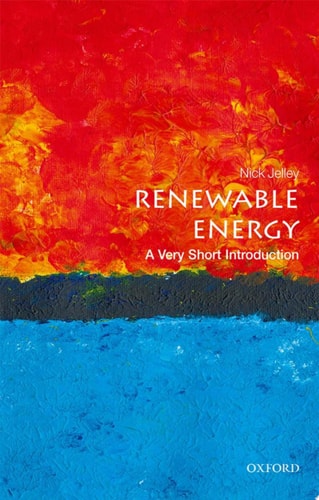
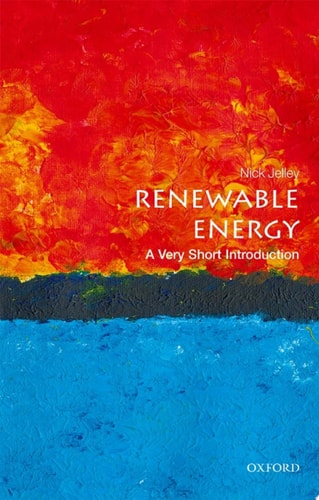
Renewable Energy: A Very Short Introduction
0
0
As an Amazon Associate and affiliate partner, Menrva Books earns from qualifying purchases. Learn more
Author Description
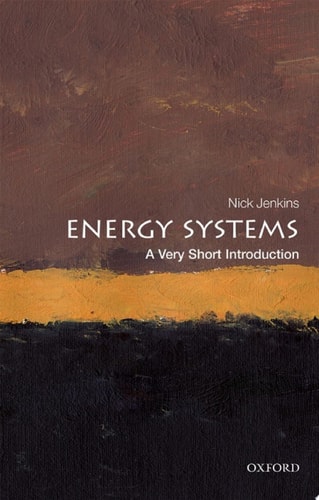
Energy Is Vital For A Good Standard Of Living, And Much Of The World's Population Does Not Have Enough. Affordable And Adequate Sources Of Power That Do Not Cause Climate Change Or Pollution Are Crucial; And Renewables Provide The Answer. Wind And Solar Farms Can Now Provide The Cheapest Electricity In Many Parts Of The World. Moreover, They Could Provide All Of The World's Energy Needs. But While Market Forces Are Fast Helping The Transition From Fossil Fuels To Renewables, There Are Opposing Pressures, Such As The Usa's Proposed Withdrawal From The Paris Agreement, And The Vested Interests In Fossil Fuels. This Very Short Introduction Describes The Main Renewable Sources Of Energy- Solar, Wind, Hydropower, And Biomass- As Well As The Less Well-developed Ones- Geothermal, Tidal, And Wave. Nick Jelley Explains The Challenges Of Integrating Renewables Into Electricity Grids, And The Need For Energy Storage And For Clean Heat; And Discusses The Opportunities In Developing Countries For Renewable Energy To Empower Millions. He Also Considers International Efforts And Policies To Support Renewables And Tackle Climate Change; And Explains Recent Innovations In Wind And Solar Energy Production, Battery Storage, And In The Emerging Power-to-gas Provision For Clean Heating. Throughout, He Emphasises What Renewable Energy Can Deliver, And Its Importance In Tackling Climate Change, And In Improving Health, Welfare, And Access To Electricity. About The Series: The Very Short Introductions Series From Oxford University Press Contains Hundreds Of Titles In Almost Every Subject Area. These Pocket-sized Books Are The Perfect Way To Get Ahead In A New Subject Quickly. Our Expert Authors Combine Facts, Analysis, Perspective, New Ideas, And Enthusiasm To Make Interesting And Challenging Topics Highly Readable.
Menrva's Summary
THE THESIS
This book investigates the potential for renewable energy sources to meet global power demands while mitigating climate change and pollution. Nick Jelley, a physicist and academic, utilizes current data on energy production and climate policy to argue that a transition to renewables is both technically feasible and economically advantageous. The text provides a framework for understanding the integration of various energy technologies into existing infrastructure while addressing the socio-economic barriers to widespread adoption.
THE SCOPE MAP
What You Will Find
- Technical overviews of solar, wind, hydropower, biomass, geothermal, tidal, and wave energy.
- Analysis of grid integration challenges and energy storage solutions.
- Discussion of international policy frameworks and the role of renewables in developing nations.
Scope Limits
- The text does not provide exhaustive engineering manuals for specific hardware installation.
- It does not offer a comprehensive political history of every nation's energy policy.
THE AUTHORITY PERSPECTIVE
Experts and readers frequently cite this work as a concise, accessible entry point for understanding the technical and policy landscape of renewable energy. The prose is noted for its clarity and ability to distill complex energy systems into a format suitable for non-specialist audiences.
Page Count:
160
Publication Date:
2020-01-01
Publisher:
Oxford University Press
ISBN-10:
0192559303
ISBN-13:
9780192559302
Science
Non-Fiction
Technology
Energy
Environment
Sustainability
Community Tags
Other Editions(3)

Similar Books



Reader Comments
Share Your Thoughts
No comments yet. Be the first to share your thoughts!