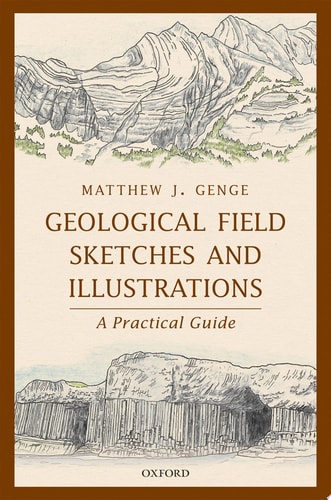
Geological Field Sketches and Illustrations: A Practical Guide
0
0
As an Amazon Associate and affiliate partner, Menrva Books earns from qualifying purchases. Learn more
Author Description
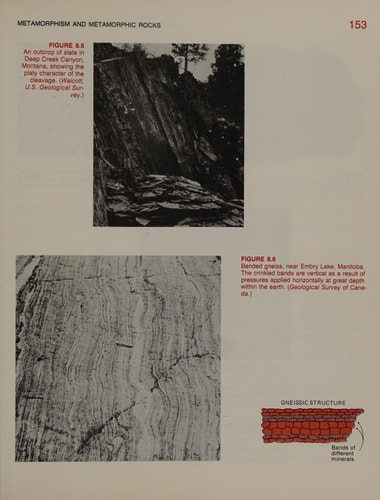
Learning to draw field sketches is an essential task for geologists, however it is often overlooked. This book presents simple techniques, useful tips and detailed examples to teach geologists how to draw rocks successfully. Field sketches are the best way to record the natural world, and yet they are one of the most difficult parts of fieldwork to master. This book shows how to go about drawing the key elements of geology in and out of the field and is a practical guide that will help you improve your diagrams and the quality of your notes. Through simple rules, useful tips and detailed examples the author describes how to go about drawing outcrops, structures, hand specimens and thin-sections and what features need to be observed and recorded. If you've ever wished you could draw geology better, this book is for you.
Menrva's Summary
THE THESIS
This book investigates the fundamental techniques required for geologists to accurately document geological features through field sketching. Matthew J. Genge, a specialist in the field, provides a structured methodology for translating complex geological observations into clear, informative diagrams. The text argues that sketching remains a primary tool for scientific observation, offering a framework that bridges the gap between raw visual data and formal geological recording.
THE SCOPE MAP
What You Will Find
- Techniques for drawing outcrops, structures, hand specimens, and thin-sections
- Practical tips for improving diagram clarity and note quality
- Detailed visual examples of geological features
Scope Limits
- Does not cover digital geological mapping software or advanced computer-aided design
- Does not provide an exhaustive history of geological illustration
THE AUTHORITY PERSPECTIVE
Experts and students alike identify this work as a practical, accessible resource for those looking to improve their observational skills in the field. Readers frequently note the clarity of the instructions, which makes it a useful reference for both undergraduate students and professional geologists.
Page Count:
320
Publication Date:
2019-01-01
Publisher:
OUP Oxford
ISBN-10:
0192572873
ISBN-13:
9780192572875
Science
Fieldwork
Earth Sciences
Geology fieldwork
Education
Geology
Earth Science
Reference
Community Tags
Similar Books