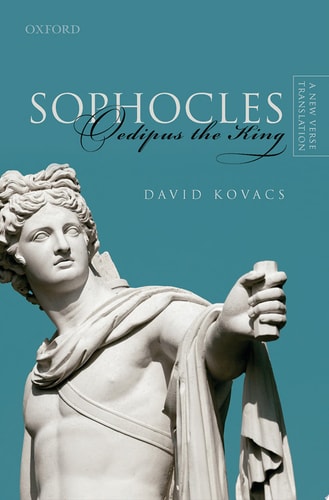
Sophocles: Oedipus The King
0
0
As an Amazon Associate and affiliate partner, Menrva Books earns from qualifying purchases. Learn more
Author Description
Oedipus The King Is The Best-known Play We Have From The Pen Of Sophocles And Was Recognized As A Masterpiece In Aristotle's Poetics, Which Cites The Play More Often Than Any Other As An Example Of How To Write Tragedy. The Principal Character Is The King Of A City Ravaged By A Mysterious Plague, Who Consults Apollo At Delphi And Is Told That The Plague Will End Only When Those Who Killed The Previous King, Laius, Are Found And Punished. He Launches An Investigation, In The Course Of Which He Learns Not Only That He Is Himself The Killer, But That Laius Was His Father And Laius' Widow, Whom He Married, His Own Mother. As A Result Of This Revelation Oedipus Changes From Being A Respected King And Conscientious Investigator Into A Polluted And Self-blinded Outcast. This Volume Presents A Highly-polished English Verse Translation Of Sophocles' Powerful Play Which Renders Both The Beauty Of His Language And The Horror Of The Events Being Dramatized. A Detailed Introduction And Notes Clearly Elucidate How The Plot Is Constructed And The Meaning This Construction Implies, As Well As How Sophocles Ably Concealed The Fact That His Characters Act In Ways Which Differ From What We Expect In Real Life. It Also Addresses Influential Misinterpretations, Thereby Offering An Accessible And Authoritative Introduction To The Play That Will Be Of Benefit To A Wide Range Of Readers.
Menrva's Summary
THE PULSE
A king’s relentless pursuit of the truth behind a city-wide plague leads to the catastrophic discovery of his own cursed identity. Oedipus, the ruler of Thebes, seeks to save his people from a devastating pestilence by identifying the murderer of his predecessor, King Laius. His investigation is driven by a logical, systematic approach to evidence, yet he remains blind to the reality of his own past. As he interrogates witnesses and consults oracles, the narrative framework of this classical tragedy unfolds through a series of escalating revelations. The protagonist faces the inexorable constraints of fate, which dictate that his efforts to avoid his destiny only serve to fulfill it.
INSIDE THE PAGES
- Use of dramatic irony to heighten tension
- Structural focus on the reversal of fortune
- Exploration of the conflict between human agency and divine fate
- Incorporation of a traditional Greek chorus to provide commentary
- Emphasis on the theme of sight versus blindness
- Utilization of the investigative procedural as a narrative device
- High-stakes dialogue reflecting the gravity of royal and moral duty
- Precise verse translation capturing the rhythm of the original text
THE COLLECTIVE ECHO
Discussion often centers on the play's structural perfection, which Aristotle famously cited as the model for tragic composition. Readers frequently highlight the relentless pacing of the investigation, noting how the protagonist's own virtues become the instruments of his downfall. Critics often analyze the balance between the king's hubris and the inescapable nature of the prophecy that governs his life. The atmosphere of the work is consistently described as claustrophobic and intense, focusing on the psychological unraveling of a man who discovers he is the source of the city's corruption. This translation is frequently praised for its ability to maintain the formal beauty of the original Greek while ensuring the narrative remains accessible to contemporary audiences.
Page Count:
112
Publication Date:
2020-01-01
Publisher:
Oxford University Press
ISBN-10:
0192597108
ISBN-13:
9780192597106
Drama
Mythology
Classical
Plays
Greek Tragedy