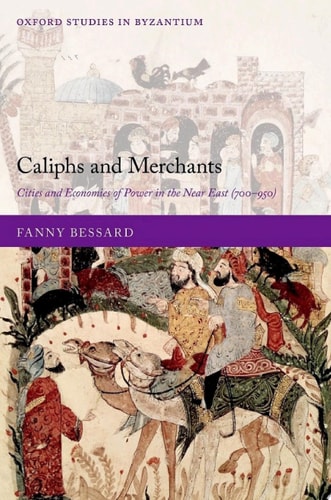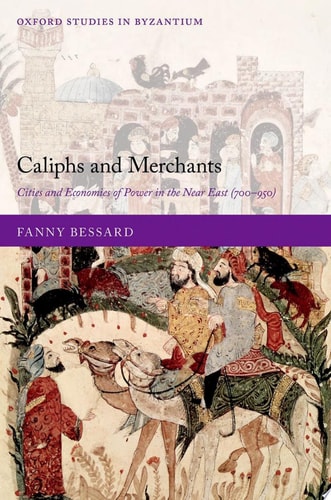
Caliphs and Merchants: Cities and Economies of Power in the Near East (700-950)
0
0
As an Amazon Associate and affiliate partner, Menrva Books earns from qualifying purchases. Learn more
Author Description
The Historical Context -- A Stamp Of Authority -- New Perspectives On Urban Economic Planning -- Artisans To Producers -- Reshaping Marketplaces -- Money Supply And Currency -- Islamifying The Economy -- The Evolution Of Labour Patterns -- Twilight Of The Clerical And Landowning Elite, Rise Of Tuǧǧār. Fanny Bessard. Includes Bibliographical References And Index. Electronic Reproduction. Oxford Available Via World Wide Web.
Menrva's Summary
THE THESIS
This work investigates the transformation of urban economic structures and the consolidation of power in the Near East between the 8th and 10th centuries. Bessard, a specialist in Islamic history, utilizes archaeological data, numismatic evidence, and primary textual sources to argue that the rise of the Islamic Caliphates fundamentally reconfigured labor, trade, and market regulation. She posits that the emergence of a new merchant class, the tuǧǧār, signaled a shift away from traditional landowning elites toward a more integrated, Islamified economic system.
THE SCOPE MAP
What You Will Find
- Analysis of urban economic planning and infrastructure development.
- Examination of currency systems and money supply management.
- Study of labor patterns and the transition from artisan to producer roles.
- Historical focus on the Near East from 700 to 950 CE.
Scope Limits
- The text does not provide a comprehensive political history of the Caliphates.
- It excludes detailed analysis of rural agricultural production outside of its relation to urban markets.
THE AUTHORITY PERSPECTIVE
Experts recognize this text as a significant contribution to the study of early Islamic economic history, particularly for its focus on the intersection of urban planning and merchant activity. Readers frequently note the academic density of the prose, which is intended for scholars and students of medieval Near Eastern history.
Page Count:
368
Publication Date:
2020-01-01
Publisher:
Oxford University Press,
ISBN-10:
0192597833
ISBN-13:
9780192597830
History
Cities And Towns
Urban Studies
Middle Eastern
Economic History
Islamic Studies