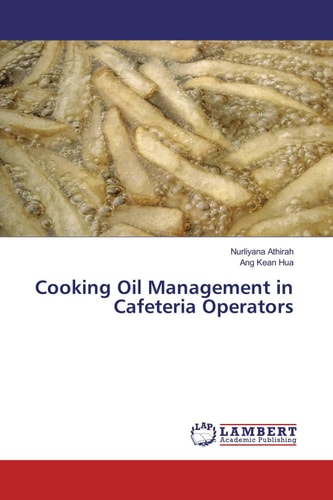
Cooking Oil Management in Cafeteria Operators
0
0
As an Amazon Associate and affiliate partner, Menrva Books earns from qualifying purchases. Learn more
Author Description
A study of cooking oil management among cafeterias in University of Malaya was conducted, where the objective is to know the attitude of the respondents towards the awareness in proper used cooking oil management. Data were collected through site visit and face-to-face interview. The result indicates that 45% of the 20 cafeterias consumed 21-30L of oil per day. Besides that, 75% of respondents used the cooking oil 2-3 times before discarded it; which also show that the cooking oil disposal by respondents was 50% through poured down the used cooking oil directly into sink or drainage. However, 15% of them do have the awareness by selling their waste cooking oil to some recycling or waste treatment companies. 50% of cafeteria operators were not acknowledged that repeated usage of cooking oil will threaten the environment and only 20% are aware the caused. As a conclusion, the result showed that existing of poor awareness about proper used cooking oil management among the cafeteria operators in University of Malaya, which may led to the decreasing of environmental quality.
Menrva's Summary
THE THESIS
This study investigates the current practices and awareness levels regarding used cooking oil management among cafeteria operators at the University of Malaya. The research aims to understand the attitudes of respondents towards proper used cooking oil disposal and recycling. Data was gathered through site visits and face-to-face interviews, revealing that a significant portion of cafeterias consume substantial amounts of oil daily and reuse it multiple times before discarding it improperly, often by pouring it down drains. While a small percentage engage in recycling, a majority demonstrate a lack of awareness regarding the environmental threats posed by these practices.
THE SCOPE MAP
- Analysis of daily cooking oil consumption in 20 university cafeterias.
- Frequency of cooking oil reuse before disposal.
- Methods of used cooking oil disposal, including direct pouring into sinks/drainage.
- Prevalence of selling waste cooking oil to recycling or waste treatment companies.
- Assessment of cafeteria operators' awareness regarding the environmental impact of repeated cooking oil usage.
- Identification of poor awareness as a leading cause of improper used cooking oil management.
- Conclusion on the potential decrease in environmental quality due to current practices.
THE AUTHORITY PERSPECTIVE
The study highlights a significant gap in awareness concerning proper used cooking oil management among cafeteria operators at the University of Malaya. The findings indicate that a majority of operators engage in practices that negatively impact the environment, such as frequent reuse of oil and direct disposal into drainage systems. While some operators participate in recycling, this is not widespread, suggesting a need for targeted educational initiatives. The research concludes that this poor awareness directly contributes to a decline in environmental quality.
Page Count:
60
Publication Date:
2016-01-28
Publisher:
LAP Lambert Academic Publishing
ISBN-10:
3659823619
ISBN-13:
9783659823619
Non-Fiction
Science
Food service
Community Tags
Similar Books