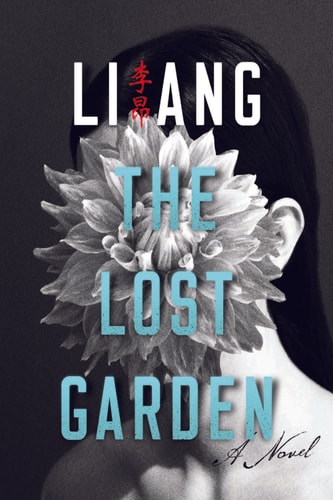
The Lost Garden
0
0
As an Amazon Associate and affiliate partner, Menrva Books earns from qualifying purchases. Learn more
Author Description
The Lost Garden is an eloquent portrait of the losses incurred as we struggle to hold on to our passions. The novel begins with the family of Zhu Yinghong, whose father, Zhu Zuyan, was imprisoned in the early days of Chiang Kai-shek's rule. Zhu Zuyan spends his days luxuriating in his Lotus Garden, which he builds according to his own desires. Forever under suspicion, he indulges as much as he can in circumscribed pleasures, though they drain the family fortune. Eventually the entire household is sold, including the Lotus Garden. The novel then swings to modern-day Taipei, where Zhu Yinghong falls for Lin Xigeng, a real estate tycoon and playboy. Their cat-and-mouse courtship builds against the extravagant banquets and decadent entertainments of Taipei's wealthy businessmen. Though the two ultimately marry, their high-styled romance dulls over time, leading to a dangerous, desperate quest to reclaim the enchantment of the Lotus Garden.
Menrva's Summary
THE PULSE
A father's opulent garden, built to escape political persecution, is lost to financial ruin, setting the stage for his daughter's modern-day quest to recapture lost enchantment. The novel traces the life of Zhu Yinghong, whose father, Zhu Zuyan, a man under suspicion during Chiang Kai-shek's rule, indulges in building and maintaining a luxurious Lotus Garden, a pursuit that ultimately bankrupts the family and leads to the garden's sale. The narrative then shifts to contemporary Taipei, where Zhu Yinghong becomes entangled with Lin Xigeng, a wealthy real estate developer, in a courtship marked by extravagant displays. Despite their eventual marriage, the initial spark fades, prompting Yinghong's desperate search to rekindle the magic of the lost Lotus Garden, exploring themes of passion, loss, and the ephemeral nature of happiness.
INSIDE THE PAGES
- The novel contrasts the political repression and circumscribed pleasures of mid-20th century China with the decadent materialism of modern-day Taipei.
- Explores the theme of holding onto passions and the losses incurred when external circumstances or personal choices lead to their dissipation.
- Features a dual timeline, beginning with the father's story of building and losing the garden, and then following the daughter's contemporary romantic entanglements.
- The Lotus Garden serves as a potent symbol of lost beauty, personal indulgence, and unattainable ideals.
- The courtship between Zhu Yinghong and Lin Xigeng is depicted against a backdrop of extravagant banquets and the high-stakes world of Taipei's elite.
- The narrative examines the challenges of maintaining passion and enchantment within a marriage, particularly one built on wealth and social standing.
- The story delves into the psychological impact of loss and the lengths to which individuals will go to reclaim a sense of past fulfillment.
THE COLLECTIVE ECHO
The novel is characterized by its eloquent prose and its exploration of profound themes such as passion, loss, and the struggle to maintain enchantment. The narrative structure, which moves between historical and contemporary settings, allows for a rich comparison of societal values and personal pursuits across different eras. Readers are likely to find the symbolic weight of the Lotus Garden particularly resonant, representing both personal escape and ultimate ruin. The depiction of modern Taipei's wealthy elite provides a stark contrast to the earlier period, highlighting the enduring human desire for beauty and fulfillment, even amidst material excess.
Page Count:
240
Publication Date:
2015-11-24
Publisher:
Columbia University Press
ISBN-10:
0231540329
ISBN-13:
9780231540322
Fiction
Contemporary
Literary Fiction
Historical Fiction
Community Tags
Similar Books