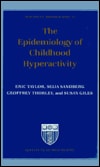
The Epidemiology of Childhood Hyperactivity
0
0
As an Amazon Associate and affiliate partner, Menrva Books earns from qualifying purchases. Learn more
Author Description
Most previous research work on antisocial conduct disorders in children has not separated children with hyperkinesis caused by dysfunction of the brain from those whose hyperkinesis stems from psychosocial problems. Using an entirely fresh approach, this work develops methods to assess hyperactivity and other behavioral problems, and to measure disturbance of attention and neurological development. The study described in this monograph applies these methods in an epidemiological setting. It clearly identifies and compares children with hyperactivity, conduct disorder, and both problems together, with a control group of normal children.
Menrva's Summary
THE THESIS
This monograph investigates the clinical distinction between hyperkinesis originating from neurological dysfunction and hyperkinesis stemming from psychosocial factors. The authors, Eric W. Taylor, Geoffrey Thorley, and Seija Sandberg, utilize a rigorous epidemiological framework to evaluate behavioral patterns in children. By applying standardized assessment methods, the study seeks to isolate variables related to attention deficits and neurological development to provide a clearer diagnostic taxonomy for childhood hyperactivity.
THE SCOPE MAP
What You Will Find
- Comparative analysis of children with hyperactivity, conduct disorder, and comorbid conditions
- Standardized assessment tools for measuring attention and behavioral disturbance
- Epidemiological data comparing clinical groups against a control group of neurotypical children
Scope Limits
- The study does not address long-term pharmacological treatment outcomes
- The research is limited to the specific diagnostic criteria and methodologies established at the time of the monograph's publication
THE AUTHORITY PERSPECTIVE
Experts recognize this work as a foundational text for understanding the clinical differentiation of childhood behavioral disorders. Readers frequently note the academic density of the prose, which is intended for researchers and clinicians in the field of child psychiatry.
Page Count:
158
Publication Date:
1991-11-14
Publisher:
Oxford University Press
ISBN-10:
0192621726
ISBN-13:
9780192621726
Psychology
Epidemiology
Pediatrics
Neurology
Mental Health
Community Tags
Similar Books