Mastering Storyboarding: Professional Techniques for Visual Storytelling
0
0
As an Amazon Associate and affiliate partner, Menrva Books earns from qualifying purchases. Learn more
Author Description
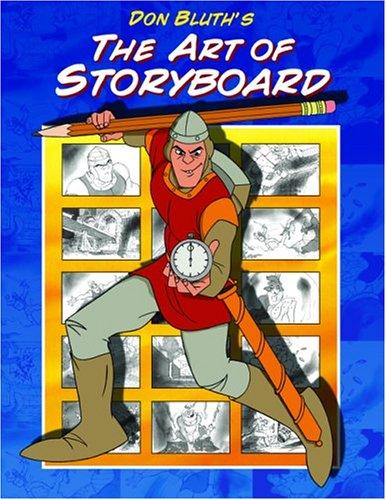
This book offers a comprehensive and practical introduction to the fundamentals of storyboarding, making it an ideal resource for aspiring filmmakers, animators, and visual storytellers. It bridges the gap between written scripts and visual storytelling by demonstrating how scenes are translated into storyboard panels. Readers can see how scripts are broken down into individual shots, and how those shots are visually constructed on the page. Each example includes detailed illustrations of storyboard panels that correspond to script excerpts, giving readers a clear sense of how to interpret narrative beats and visualize camera movement, composition, character blocking, and shot progression. The book explains key concepts in cinematic language--such as shot types (wide, close-up, over-the-shoulder, etc.), camera angles, and transitions--and shows how they are effectively employed in storyboarding. By studying these examples, readers will gain a deeper understanding of the visual grammar of film. They'll learn not only how to recognize different shot types, but also how to purposefully select and apply them to enhance storytelling, create emotion, and guide the viewer's eye. Whether you're a student or a working professional looking to sharpen your skills, this book serves as both an instructional manual and an applicable and visual reference guide.
Menrva's Summary
THE THESIS
This book investigates the practical techniques for translating written scripts into compelling visual narratives through storyboarding. It serves as a comprehensive guide for aspiring filmmakers, animators, and visual storytellers, detailing how scenes are broken down into individual storyboard panels. The author demonstrates the visual construction of shots, explaining concepts like shot types, camera angles, and transitions, and illustrating their application with detailed examples. Readers will learn to interpret narrative beats and visualize camera movement, composition, character blocking, and shot progression to enhance storytelling and guide the viewer's eye.
THE SCOPE MAP
- Fundamentals of storyboarding and visual storytelling
- Techniques for translating script excerpts into storyboard panels
- Detailed illustrations of storyboard panels corresponding to script examples
- Explanation of cinematic language: shot types, camera angles, and transitions
- Guidance on visualizing camera movement, composition, and character blocking
- Instruction on enhancing storytelling and guiding viewer's eye through visual grammar
- A practical reference guide for students and professionals
THE AUTHORITY PERSPECTIVE
The book is positioned as an ideal resource for aspiring filmmakers, animators, and visual storytellers, aiming to bridge the gap between written scripts and visual execution. Its approach emphasizes practical application, offering detailed illustrations and explanations of cinematic language to deepen understanding of visual grammar. The content suggests it functions as both an instructional manual and a visual reference guide for those looking to refine their skills in translating narrative into visual sequences.
Page Count:
56
Publication Date:
2026-02-01
Publisher:
CRC Press LLC
ISBN-10:
1032985070
ISBN-13:
9781032985077
Non-Fiction
Art
Filmmaking
Animation
Instructional
Visual Arts
Reference
Community Tags
Similar Books