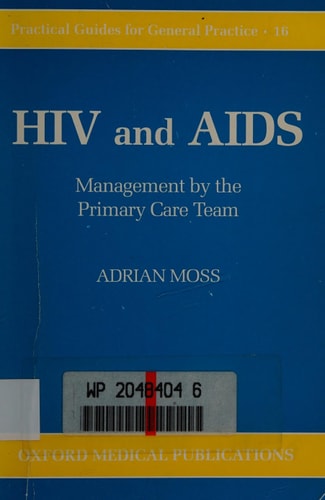
HIV and AIDS: Management by the Primary Care Team
0
0
As an Amazon Associate and affiliate partner, Menrva Books earns from qualifying purchases. Learn more
Author Description
AIDS is increasingly a primary care disease. As a result of the growing pressure on hospital services and the expressed wishes of patients, many people with HIV and AIDS spend the majority of their time living in the community. All family practitioners, therefore, must become familiar with the day-to-day management of those affected. This timely work highlights specific issues raised by the disease, such as fear, prejudice, sexuality, and death, as well as discussing clinical and therapeutic aspects. The author suggests that the primary health care team is already well equipped to deal with all aspects of HIV and AIDS, provided that it is willing to become involved. Specific case studies are discussed in relation to the current experience of family practitioners and other health care workers.
Menrva's Summary
THE THESIS
How can primary care practitioners effectively integrate the management of HIV and AIDS into their daily clinical practice? Adrian Moss, drawing on his experience within the medical field, argues that general practitioners and community health teams are uniquely positioned to manage the long-term care of patients living with HIV. The text posits that by addressing both the clinical requirements and the psychosocial dimensions of the disease, the primary care team can alleviate pressure on hospital systems while improving patient outcomes.
THE SCOPE MAP
What You Will Find
- Clinical and therapeutic management protocols for HIV and AIDS in a community setting
- Analysis of psychosocial factors including fear, prejudice, and sexuality
- Case studies illustrating the practical application of care by family practitioners
Scope Limits
- Does not cover advanced hospital-based surgical interventions or experimental research trials
- Focuses primarily on the general practice environment rather than specialized infectious disease clinics
THE AUTHORITY PERSPECTIVE
Medical professionals often cite this work as a practical resource for transitioning HIV care from hospital settings to community-based practices. Experts highlight the text for its balanced approach to the clinical and humanistic challenges faced by primary care teams.
Page Count:
112
Publication Date:
1992-07-30
Publisher:
Oxford University Press
ISBN-10:
0192622161
ISBN-13:
9780192622167
Hiv Infections
Primary Care
Public Health
Infectious Diseases
Medical
Community Tags
Similar Books