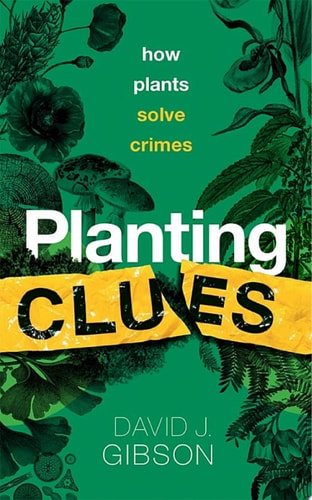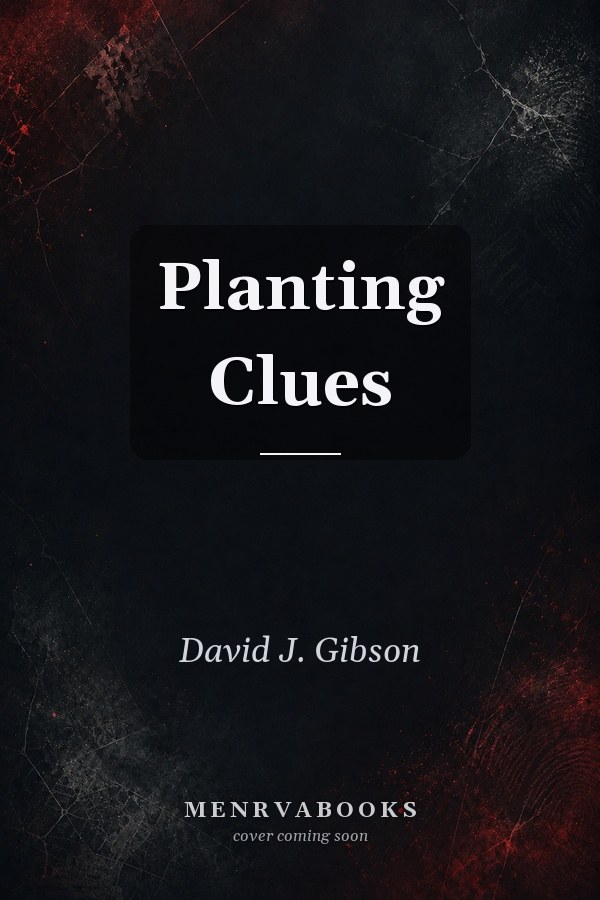
Planting Clues
0
0
As an Amazon Associate and affiliate partner, Menrva Books earns from qualifying purchases. Learn more
Author Description
This Book Addresses The Lack Of An Appreciation For Plants And The Common Inability To Identify Them In The Context Of The Law. Forensic Botany Is Concerned With The Use Of Plants As Evidence In Legal Settings, Both Criminal And Civil Cases. It Cites Many Examples Of Forensic Botany, Which Is Clear From The Discussions With Law Enforcement Officials And In The Writings Of Some Of The Most Prominent Current Forensic Botanists That An Appreciation Of The Value Of Plants In Forensics Is Often Lacking. The Chapter Describes Specialists That Has To Be Brought In When Botanical Materials Are Observed At A Crime Scene, By Which Time The Scene May Be Disturbed And Key Evidence Lost. The Most Critical Part Of Any Botanical Forensic Work Is The Correct Identification Of Specimens Or Exhibits With Evidentiary Value, Often From Microscopic Or Degraded Fragments-- Provided By Publisher.
Menrva's Summary
THE THESIS
This book investigates the critical role of botanical evidence in legal proceedings and addresses the systemic lack of appreciation for plant identification within law enforcement. David J. Gibson, a specialist in the field, utilizes his academic background to argue that botanical materials are frequently overlooked or mishandled at crime scenes. The text provides a framework for understanding how plant fragments, often microscopic or degraded, serve as vital evidence in both criminal and civil litigation.
THE SCOPE MAP
What You Will Find
- Methodologies for the collection and preservation of botanical evidence at crime scenes
- Analysis of the challenges involved in identifying plant specimens from fragmented samples
- Discussions regarding the integration of botanical specialists into standard investigative protocols
Scope Limits
- The text does not serve as a comprehensive field guide for plant identification
- It does not cover the legal admissibility standards of every international jurisdiction
THE AUTHORITY PERSPECTIVE
Experts recognize this work as a necessary call to action for forensic investigators to prioritize botanical evidence. Readers frequently note the technical focus on the intersection of plant biology and legal procedure, making it a useful resource for those interested in specialized forensic disciplines.
Page Count:
0
Publication Date:
2022-01-01
Publisher:
Newyork : OUP,
ISBN-10:
0192639137
ISBN-13:
9780192639134
True Crime
Science
Forensic Science
Botany
Law Enforcement
Community Tags
Similar Books