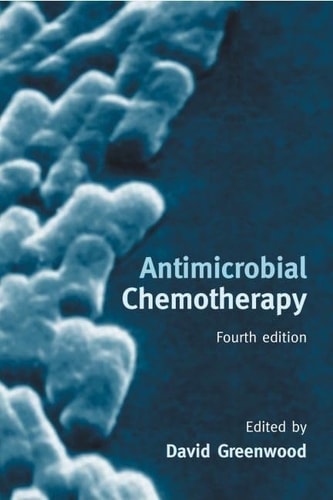
Antimicrobial Chemotherapy
0
0
As an Amazon Associate and affiliate partner, Menrva Books earns from qualifying purchases. Learn more
Author Description
The essence of this book is to describe the basic properties of antibiotics and other antimicrobial agents and to discuss the principles underlying the rational use of antimicrobial agents in the management of infection. The aim is to encourage good prescribing habits in doctors throughout the world. After a short historical introduction, the text deals with the general properties of antimicrobial compounds of all kinds (antibacterial, antiviral, antifungal, antiprotozoal and anthelminthic agents); laboratory aspects of antimicrobial chemotherapy (including antibiotic interactions and use of the laboratory); resistance to antimicrobial agents (including mechanisms of resistance and the control of resistance); general principles of antibiotic usage (including pharmacokinetic issues, the prophylactic use of antibiotics, and special concerns of treatment of young children and the elderly) and the use of antimicrobial therapy in specific types of infection. There is a postscript on the development and marketing of antimicrobial agents.
Menrva's Summary
THE THESIS
This text investigates the fundamental properties of antimicrobial agents and the clinical principles required for their rational application in managing human infections. David Greenwood provides a comprehensive framework for medical professionals, focusing on the intersection of laboratory science and clinical practice. The work emphasizes the necessity of informed prescribing habits to mitigate resistance and improve patient outcomes across diverse demographics.
THE SCOPE MAP
What You Will Find
- Detailed analysis of antibacterial, antiviral, antifungal, antiprotozoal, and anthelminthic compounds.
- Methodologies for laboratory testing, including antibiotic interactions and resistance monitoring.
- Clinical guidelines for pharmacokinetics, prophylactic usage, and age-specific treatment protocols.
Scope Limits
- The text does not serve as a primary research manual for drug discovery or molecular synthesis.
- It focuses primarily on clinical application rather than the exhaustive history of pharmaceutical industry regulation.
THE AUTHORITY PERSPECTIVE
Medical professionals and academic reviewers consistently identify this work as a foundational resource for students and junior clinicians. Experts highlight the text for its clarity, logical organization, and practical utility in hospital and laboratory settings.
Page Count:
432
Publication Date:
2000-09-14
Publisher:
Oxford University Press
ISBN-10:
0192631950
ISBN-13:
9780192631954
Reference
Pharmacology
Communicable Diseases
Infectious Diseases
Medical
Microbiology
Community Tags
Other Editions(2)

Similar Books