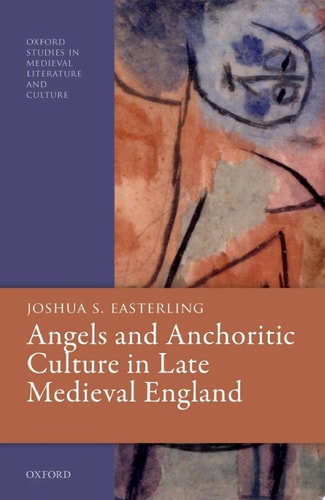
Angels and Anchoritic Culture in Late Medieval England
0
0
As an Amazon Associate and affiliate partner, Menrva Books earns from qualifying purchases. Learn more
Author Description
The monograph series Oxford Studies in Medieval Literature and Culture showcases the plurilingual and multicultural quality of medieval literature and actively seeks to promote research that not only focuses on the array of subjects medievalists now pursue in literature, theology, and philosophy, in social, political, jurisprudential, and intellectual history, the history of art, and the history of science but also that combines these subjects productively. It offers innovative studies on topics that may include, but are not limited to, manuscript and book history; languages and literatures of the global Middle Ages; race and the post-colonial; the digital humanities, media and performance; music; medicine; the history of affect and the emotions; the literature and practices of devotion; the theory and history of gender and sexuality, ecocriticism and the environment; theories of aesthetics; medievalism. This volume examines Latin and vernacular writings that formed part of a flourishing culture of mystical experience in the later Middle Ages (ca. 1150–1400), including the ways in which visionaries within their literary milieu negotiated the tensions between personal, charismatic inspiration and their allegiance to church authority. It situates texts written in England within their wider geographical and intellectual context through comparative analyses with contemporary European writings. A recurrent theme across all of these works is the challenge that a largely masculine and clerical culture faced in the form of the various, and potentially unruly, spiritualities that emerged powerfully from the twelfth century onward. Representatives of these major spiritual developments, including the communities that fostered them, were often collaborative in their expression. For example, holy women, including nuns, recluses, and others, were recognized by their supporters within the church for their extraordinary spiritual graces, even as these individual expressions of piet
Menrva's Summary
THE THESIS
This work investigates the intersection of angelic theology and the lived experiences of anchorites within the religious landscape of late medieval England. Joshua S. Easterling utilizes a combination of theological analysis, manuscript study, and historical contextualization to argue that the figure of the angel served as a critical mediator for recluses navigating the boundaries between personal charismatic inspiration and institutional church authority. By examining both Latin and vernacular texts, the author demonstrates how these spiritual practices challenged the established clerical hierarchies of the twelfth through fourteenth centuries.
THE SCOPE MAP
What You Will Find
- Analysis of Latin and vernacular mystical writings from ca. 1150–1400.
- Comparative studies between English anchoritic practices and broader European spiritual movements.
- Examination of the gendered dynamics between masculine clerical structures and feminine spiritual expression.
Scope Limits
- The study focuses primarily on the period ending in 1400 and does not extend into the late fifteenth-century developments.
- The research is limited to the specific context of anchoritic and reclusive spirituality rather than broader monastic history.
THE AUTHORITY PERSPECTIVE
Scholars in the field of medieval literature and theology recognize this volume as a rigorous contribution to the Oxford Studies in Medieval Literature and Culture series. Readers frequently note the academic density of the prose and the author's precise handling of complex theological primary sources.
Page Count:
432
Publication Date:
2021-01-01
Publisher:
OUP Oxford
ISBN-10:
0192635794
ISBN-13:
9780192635792
History
English & College Success
Theology
English
Literary Criticism
Religious History
Community Tags
Other Editions(3)

Similar Books



Reader Comments
Share Your Thoughts
No comments yet. Be the first to share your thoughts!