The Management of Head Injuries: A Practical Guide for the Emergency Room
0
0
As an Amazon Associate and affiliate partner, Menrva Books earns from qualifying purchases. Learn more
Author Description
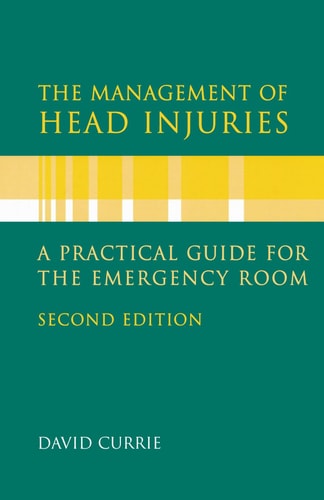
Head injuries are commonplace. Though most patients survive, the consequences, both physical and social, can be devastating. The methods of initial assessment and management can have a crucial effect on determining the outcome of the injury, and long-term effects. However, only a minority of head-injured patients are cared for by Neurosurgeons. The majority are seen by non-specialists, often junior doctors and nurses, and treated in district hospitals where specialist neurosurgical assistance is unavailable. As a guide for doctors and nurses working in the A & E department, or the Orthopaedic or General Surgical Ward, the emphasis of this book is on the early management of the head- injured patient. New to the second edition are chapters on managing the 'disturbed' head injured patient, a chapter of special value to nurses (who often have to deal with this difficult task). A new chapter on anaesthesia and head injuries has also been added, with other chapters significantly revised to reflect the crucial role played by anaesthetists in head injury management. Providing practical advice on the early treatment of minor head injuries, and the management of major head injuries, the book provides advice that will be essential in ensuring effective treatment of these patients.
Menrva's Summary
THE THESIS
This book investigates the optimal protocols for the initial assessment and clinical management of head-injured patients within non-specialist hospital settings. The authors, drawing on their clinical expertise, provide a structured framework for junior doctors, nurses, and general surgeons who frequently encounter head trauma in environments lacking immediate neurosurgical support. The text emphasizes the critical nature of early intervention in determining long-term patient outcomes and mitigating physical or social consequences.
THE SCOPE MAP
What You Will Find
- Clinical protocols for the assessment of minor and major head injuries
- Guidance on managing the disturbed head-injured patient
- Procedures for anesthesia in the context of head trauma
- Practical advice for nursing staff in emergency and surgical wards
Scope Limits
- Advanced neurosurgical procedures performed by specialists
- Long-term rehabilitation and post-acute care strategies
THE AUTHORITY PERSPECTIVE
Medical professionals frequently cite this text as a practical, accessible resource for clinicians working in high-pressure emergency environments. Experts highlight the book's value in standardizing care for non-specialists who are often the first point of contact for trauma patients.
Page Count:
196
Publication Date:
2000-03-15
Publisher:
Oxford University Press
ISBN-10:
0192630784
ISBN-13:
9780192630780
Neurology
Emergency medicine
Wounds And Injuries
Nursing
Surgery
Medical
Community Tags
Similar Books