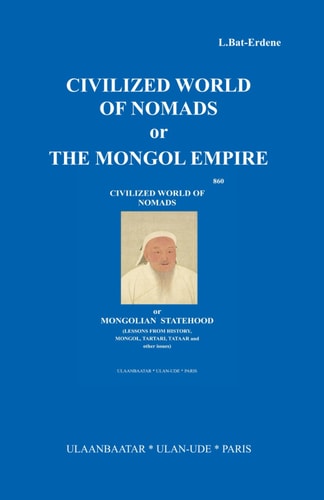
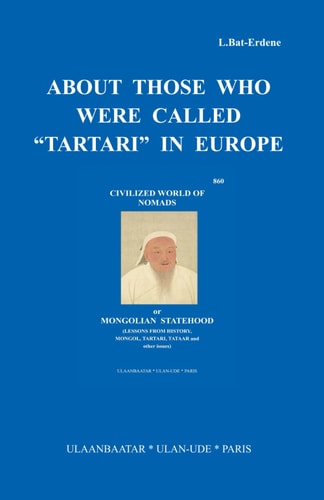
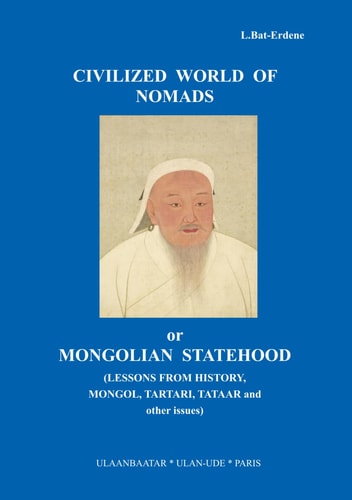
Civilized World of Nomads or Mongolian Statehood (Lessons from History, Mongol, Tartari, Tataar and Other Issues)
0
0
As an Amazon Associate and affiliate partner, Menrva Books earns from qualifying purchases. Learn more
Author Description
NONE. Menrva holds no usable description for this book. Unless you genuinely and specifically know this published work, set sufficient_material=false. Do NOT infer a plot, characters, or contents from the title.
Menrva's Summary
THE THESIS
This book investigates the complex relationship between nomadic lifestyles and state formation, drawing lessons from the historical experiences of Mongolian, Tatar, and other related peoples. It examines how nomadic societies developed political structures and governance systems that allowed for the establishment and maintenance of vast empires. The work analyzes the socio-political dynamics, administrative practices, and cultural factors that contributed to the rise and endurance of these historical states, offering insights into the nature of statehood beyond sedentary paradigms.
THE SCOPE MAP
- Historical analysis of nomadic societies and their political structures
- Case studies of Mongolian, Tatar, and other related peoples
- Examination of the development of statehood in nomadic contexts
- Discussion of administrative practices and governance in historical empires
- Exploration of the socio-political dynamics and cultural factors influencing state formation
THE AUTHORITY PERSPECTIVE
The book's focus on nomadic statehood and its historical case studies suggests a scholarly approach to understanding political organization outside of traditional sedentary models. The inclusion of terms like 'Mongol', 'Tartari', and 'Tataar' indicates a deep dive into specific historical contexts, likely appealing to specialists in Central Asian history and comparative political science. The framing implies an argument for recognizing the sophisticated statecraft inherent in nomadic cultures, challenging conventional definitions of civilization and governance.
Page Count:
532
Publication Date:
2022-07-08
Publisher:
Independently published
ISBN-13:
9798839361164
Non-Fiction
History
Mongol Empire
Community Tags
Similar Books