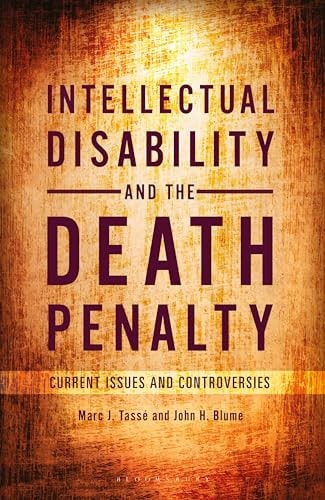
Intellectual Disability and the Death Penalty: Current Issues and Controversies
0
0
As an Amazon Associate and affiliate partner, Menrva Books earns from qualifying purchases. Learn more
Author Description
Written by two nationally recognized experts, this book provides a comprehensive review of the legal and clinical aspects of the death penalty as it relates to intellectual disability. First, the facts: people with intellectual disability may falsely confess to a crime because they want to please the authorities, and they are often less able than others to work with lawyers to prepare a defense. In addition, because of the stigma attached to intellectual disability, affected individuals often become adept at hiding it, even from their attorney, not understanding the condition's importance to the outcome of their case. Having explained such harsh realities and presented a comprehensive review of what intellectual disability is, the book focuses on the 2002 U.S. Supreme Court Atkins v. Virginia decision granting a death penalty exemption to individuals with intellectual disability. It outlines best practice regarding the determination of intellectual disability and discusses qualifications needed for experts in such cases. Related issues such as common misconceptions regarding people with intellectual disability, race, socioeconomic status, and the status of foreign nationals as it relates to the death penalty and intellectual disability are discussed as well. A must-have resource for prosecutors, defense lawyers, and clinicians providing expert testimony in death penalty cases, this book will also prove absorbing reading for anyone concerned about this troubling issue.
Menrva's Summary
THE THESIS
This book investigates the complex intersection of intellectual disability and the application of the death penalty in the United States. Written by leading experts, it provides a thorough examination of both the legal and clinical dimensions of this critical issue. The text addresses the unique vulnerabilities of individuals with intellectual disabilities within the legal system, such as their susceptibility to false confessions and difficulties in assisting with their own defense. It then delves into the landmark Supreme Court decision in Atkins v. Virginia, which established an exemption from the death penalty for those with intellectual disabilities, and explores the best practices for diagnosing intellectual disability in legal contexts.
THE SCOPE MAP
- A comprehensive review of the legal and clinical aspects of intellectual disability and the death penalty.
- Discussion of the specific vulnerabilities of individuals with intellectual disabilities in legal proceedings, including false confessions and challenges in defense preparation.
- Analysis of the U.S. Supreme Court's Atkins v. Virginia decision and its implications.
- Guidelines for best practices in determining intellectual disability for legal purposes.
- Examination of qualifications for expert witnesses in death penalty cases involving intellectual disability.
- Exploration of related issues such as common misconceptions, race, socioeconomic status, and the status of foreign nationals.
- A resource for prosecutors, defense lawyers, and clinicians.
THE AUTHORITY PERSPECTIVE
The book is presented as a vital resource for legal professionals and clinicians involved in death penalty cases concerning individuals with intellectual disabilities. Its comprehensive review of legal and clinical aspects, coupled with an analysis of the Atkins v. Virginia decision and diagnostic best practices, aims to equip practitioners with essential knowledge. The inclusion of related social issues like race and socioeconomic status suggests a broad consideration of the factors influencing these cases. The authors, described as nationally recognized experts, lend authority to the presented information, positioning the book as a key reference for anyone engaged with this troubling legal and ethical dilemma.
Page Count:
192
Publication Date:
2023-12-28
Publisher:
Bloomsbury Academic
ISBN-13:
9798765116296
Psychology
Non-Fiction
True Crime
Law
Social Issues
Community Tags
Similar Books