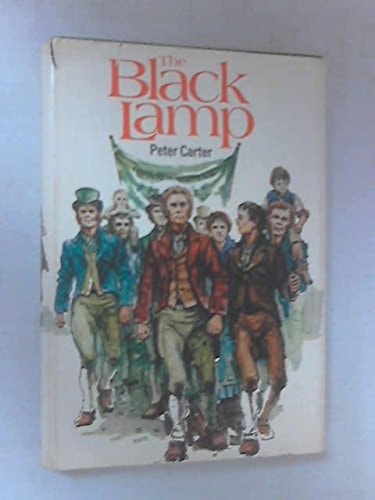
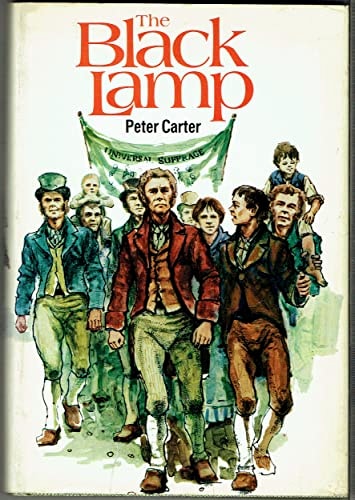
The Black Lamp
0
0
As an Amazon Associate and affiliate partner, Menrva Books earns from qualifying purchases. Learn more
Author Description
In early nineteenth-century England the son of a weaver becomes enmeshed in the struggle of the weavers against the mill owners, who are bringing in machine-driven looms.
Menrva's Summary
THE PULSE
A young weaver’s son finds himself caught between his family’s livelihood and the encroaching industrial forces threatening to dismantle their way of life. Ben Carter, the protagonist, navigates the volatile social climate of early nineteenth-century England as the Luddite movement gains momentum. He faces the logical constraints of a society shifting toward mechanization, where the introduction of machine-driven looms pits neighbor against neighbor. The narrative follows his development as he witnesses the erosion of traditional craftsmanship and the subsequent rise of labor unrest. Through a third-person perspective, the story examines the tension between economic progress and the survival of the working class.
INSIDE THE PAGES
- Historical depiction of the Luddite uprisings
- Exploration of the transition from hand-weaving to factory production
- Focus on the socio-economic impact of the Industrial Revolution
- Examination of class conflict in nineteenth-century England
- Character-driven narrative centered on a young man's moral awakening
- Detailed portrayal of the weaver's trade and domestic life
- Atmospheric setting reflecting the grim realities of early industrial towns
- Thematic focus on the cost of technological advancement
THE COLLECTIVE ECHO
Readers frequently highlight the book's grounded approach to historical fiction, noting its ability to humanize the labor struggles of the nineteenth century. Discussion often centers on the author's commitment to portraying the economic desperation of the weavers without resorting to overly simplistic moralizing. Critics observe that the pacing effectively mirrors the slow, inevitable encroachment of industrialization on the protagonist's community. The narrative is often praised for its balance between personal growth and the broader political context of the era, providing a clear view of the period's social fractures.
Page Count:
148
Publication Date:
1984-03-15
Publisher:
Oxford University Press
ISBN-10:
019271497X
ISBN-13:
9780192714978
Historical
Labor history
Coming of Age
Social Issues
English literature
English fiction
Community Tags
Other Editions(3)
Similar Books