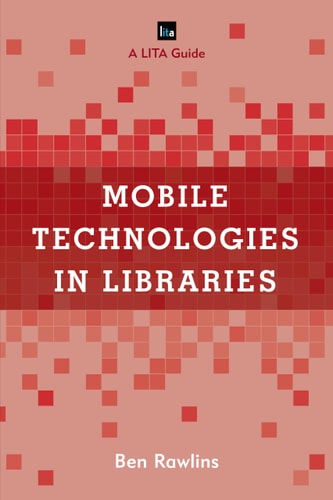
Mobile Technologies in Libraries: A LITA Guide
0
0
As an Amazon Associate and affiliate partner, Menrva Books earns from qualifying purchases. Learn more
Author Description
The ever expanding usage of mobile technologies has dramatically changed how we access information and how we as a society expect to access information. With mobile technologies becoming available to an increasing majority of the population, users are constantly connected to information. The rapid expansion of mobile technology has had a profound impact on many different sectors, industries, and institutions, among those that have been affected are libraries. With more users expecting access to information and resources in a mobile optimized format, libraries have had to adapt to meet the needs of users. This has entailed evaluating various library services and resources to determine how to best meet the needs of mobile users. Additionally, mobile technology has changed the way that websites are designed, and has led to an increasing popular type of web design know as responsive web design (RWD). This enables web developers to design websites with one code base that are optimized for a wide range of devices from desktop computers to smartphones. Libraries must keep their mobile services current or risk becoming obsolete. Based on research, examples, and experience using mobile technology, this book will include topics such as: The impact of mobile technologyMobile technology and the Digital DivideImplications for library staff and vendorsResponsive Web DesignWearable technology in library services Mobile Technologies in Libraries: A LITA Guide is written for library staff interested in how mobile technologies have changed the way we access, and expect to access, information, as well as how libraries can incorporate and adapt to mobile technology.
Menrva's Summary
THE THESIS
Libraries must adapt to the pervasive influence of mobile technologies to remain relevant in an increasingly connected world. The expansion of mobile devices has fundamentally altered how individuals access information, compelling institutions like libraries to re-evaluate their services and resources. This book explores the impact of this shift, examining how libraries can integrate mobile-optimized formats and responsive web design to meet user expectations. It addresses the implications for library staff and vendors, as well as the potential for wearable technology to further shape library services.
THE SCOPE MAP
- The impact of mobile technology on information access
- Mobile technology and the Digital Divide
- Implications for library staff and vendors
- Responsive Web Design (RWD) principles and application
- Wearable technology in library services
- Strategies for libraries to adapt to mobile trends
THE AUTHORITY PERSPECTIVE
This guide is written for library professionals seeking to understand and implement mobile technologies within their institutions. It draws on research, examples, and practical experience to provide actionable insights. The book addresses the critical need for libraries to stay current with technological advancements to avoid obsolescence. It is positioned as a resource for evaluating and adapting services for mobile users.
Page Count:
136
Publication Date:
2016-09-08
Publisher:
Bloomsbury Academic
ISBN-10:
1442264233
ISBN-13:
9781442264236
Non-Fiction
Science & Technology
Technology
Information Science
Libraries
Community Tags
Similar Books