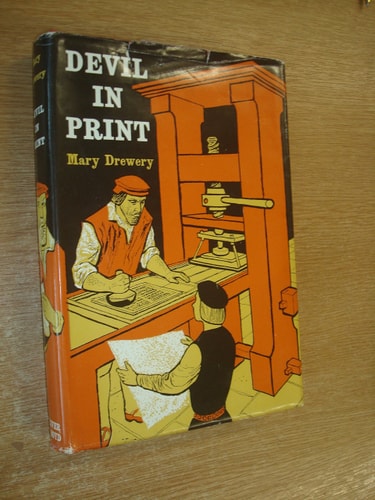
Devil in Print
0
0
As an Amazon Associate and affiliate partner, Menrva Books earns from qualifying purchases. Learn more
Author Description
For readers who want to be able to visualize the appearance of Europe, especially London, at the time of the Reformation and to place the leaders and their opponents in the attempt to publish the Bible in English, this book is satisfactorily detailed. The adventures of the boy hero are not very convincing, however, and the implications of the Reformation are superficially investigated. In 1525 Thomas Warlingham's father was framed and found guilty of seditious libel against King Henry VIII and dispossessed of all his lands and wealth. Father and son journey to Cologne, where Tom is apprenticed to Peter Quentel, whom he assists with the printing of the translated Bible, then follows the books back to England when he returns to clear his father's name. It's an adequate description of the times, but a forgettable story.
Menrva's Summary
THE PULSE
After his father is wrongfully convicted of seditious libel against King Henry VIII, young Thomas Warlingham must navigate the dangerous political landscape of the 16th-century Reformation to restore his family's honor. Thomas seeks to clear his father's name by traveling to Cologne to assist in the clandestine printing of the English Bible. He faces constant opposition from royal authorities and religious censors who view the translated text as a threat to the established order. The narrative follows his progression from an apprentice printer to an active participant in the smuggling of forbidden literature back into England, operating under the constant threat of arrest and execution.
INSIDE THE PAGES
- Historical setting focused on the 1525 Reformation era
- Detailed depiction of early printing presses and techniques
- Geographic movement between London and Cologne
- Focus on the political implications of the English Bible translation
- Protagonist apprenticeship under Peter Quentel
- Themes of loyalty and familial duty
- Conflict between religious reformists and royal authority
- Integration of historical figures and fictional characters
THE COLLECTIVE ECHO
Discussion often centers on the book's effectiveness as a historical primer rather than a compelling narrative. Readers frequently highlight the detailed descriptions of 16th-century London and the technical aspects of early printing as the primary strengths of the work. Conversely, critics often note that the protagonist's actions lack sufficient motivation and that the broader theological implications of the Reformation remain underdeveloped. The consensus suggests that while the book serves as a functional educational tool for visualizing the period, the central plot remains secondary to the historical backdrop.
Page Count:
216
Publication Date:
1963-01-01
Publisher:
Oliver & Boyd
ISBN-10:
0050005006
ISBN-13:
9780050005002
Adventure
Young Adult
Historical
Printing History
Reformation
Community Tags
Similar Books