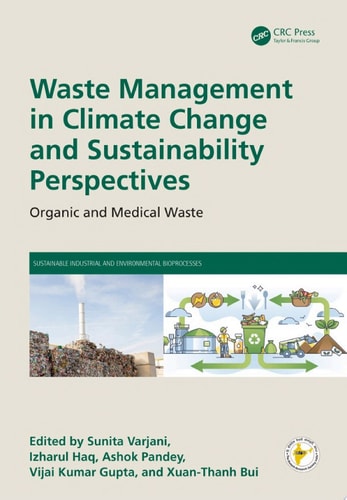
Waste Management in Climate Change and Sustainability Perspectives
0
0
As an Amazon Associate and affiliate partner, Menrva Books earns from qualifying purchases. Learn more
Author Description
This handbook discusses the relationships and effects of climate change on waste treatment and its sustainable management. The waste management sector is in a unique position to transition from a minor source of global greenhouse gas (GHG) emissions to a major contributor to reducing GHG emissions. This book compiles the potential impacts and benefits of various waste management systems in terms of climate impact. It investigates the global climate impact of municipal solid waste, commercial and industrial waste, agricultural waste, and hazardous waste management systems. Key features: Reviews advanced and innovative processes for sustainable waste management Covers green waste treatment technologies using microbes, green soldier flies, earthworms and bacteriophages Discusses the negative and positive effects of waste treatment and disposal Provides relevant case studies from different regions of the world Examines the role of climate change on emerging pollutants The book is meant for researchers and professionals in environmental sciences, chemical and biochemical engineering.
Menrva's Summary
THE THESIS
This handbook investigates the critical nexus between waste management practices and the escalating challenges posed by climate change, exploring how the sector can shift from a source of greenhouse gas emissions to a key player in their reduction. The book compiles research on the potential impacts and benefits of various waste management systems concerning their climate footprint. It examines the global climate impact across municipal solid waste, commercial and industrial waste, agricultural waste, and hazardous waste management. The authors aim to provide a comprehensive overview of advanced and innovative processes for sustainable waste management, integrating green technologies and analyzing the effects of emerging pollutants.
THE SCOPE MAP
- Reviews advanced and innovative processes for sustainable waste management.
- Covers green waste treatment technologies using microbes, green soldier flies, earthworms, and bacteriophages.
- Discusses the negative and positive effects of waste treatment and disposal.
- Provides relevant case studies from different regions of the world.
- Examines the role of climate change on emerging pollutants.
THE AUTHORITY PERSPECTIVE
The book is intended for researchers and professionals in environmental sciences, chemical, and biochemical engineering, suggesting a technical and academic audience. Its focus on advanced and innovative processes, coupled with case studies, indicates a practical and globally-oriented approach to waste management challenges. The inclusion of green technologies and the examination of emerging pollutants highlight its relevance to current environmental concerns. The compilation of impacts and benefits across various waste streams positions it as a comprehensive resource for understanding the sector's role in sustainability.
Page Count:
178
Publication Date:
2024-05-14
Publisher:
Taylor & Francis
ISBN-10:
1040004407
ISBN-13:
9781040004401
Science
Non-Fiction
Climate Change
Engineering
Sustainability
Pollution Control
Community Tags
Similar Books