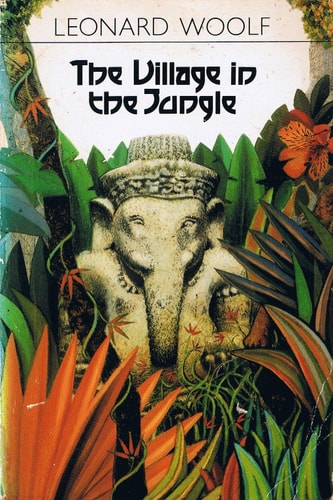
The Village in the Jungle
0
0
As an Amazon Associate and affiliate partner, Menrva Books earns from qualifying purchases. Learn more
Author Description
The evils of colonialism and the struggles of man against the universe and between man and nature are explored in Woolf's early-twentieth-century saga about Silindu and the inhabitants of the Ceylonese village of Beddagama
Menrva's Summary
THE PULSE
The encroaching forces of colonial administration and the unforgiving environment of the Ceylonese jungle threaten the survival of a small, isolated community. Silindu, a hunter living on the periphery of the village of Beddagama, finds his life and family increasingly entangled with the rigid, often indifferent legal structures imposed by the British colonial government. As the jungle exerts its relentless pressure through drought, disease, and predatory wildlife, the villagers must navigate the tension between their traditional ways of life and the external pressures of a changing world. The narrative employs a third-person perspective to observe the slow erosion of the village's autonomy and the psychological toll of living in a landscape that is both provider and destroyer.
INSIDE THE PAGES
- Detailed depiction of the Ceylonese jungle as an active, hostile character
- Exploration of the clash between indigenous customs and colonial law
- Examination of the psychological impact of isolation
- Focus on the cyclical nature of poverty and survival
- Use of atmospheric prose to convey the heat and density of the environment
- Character-driven narrative focusing on the marginalized Silindu
- Critique of bureaucratic indifference in colonial governance
- Themes of fatalism and the struggle for human dignity
THE COLLECTIVE ECHO
Readers and critics frequently highlight the novel's stark, unvarnished portrayal of the relationship between humanity and the natural world. Discussion often centers on the author's ability to capture the oppressive atmosphere of the jungle, which serves as a constant, looming presence throughout the narrative. Many observers note the effectiveness of the book in illustrating the systemic failures of colonial rule without resorting to overt moralizing. The pacing is often described as deliberate and somber, reflecting the slow, grinding reality of the villagers' lives. This work remains a significant point of reference for those interested in the intersection of colonial history and environmental literature.
Page Count:
179
Publication Date:
1982-03-11
Publisher:
Oxford University Press
ISBN-10:
0192813129
ISBN-13:
9780192813121
Literary Fiction
Historical Fiction
Nature
Colonial
Community Tags
Similar Books