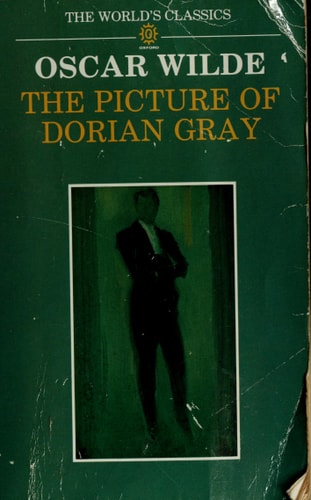
The Picture of Dorian Gray
0
0
As an Amazon Associate and affiliate partner, Menrva Books earns from qualifying purchases. Learn more
Author Description
The wish spoken by Dorian Gray as he looks at his portrait forms the basis of the plot of this story of a gilded and spoilt hedonist who is willing to sell his soul for his beauty.
Menrva's Summary
THE PULSE
A young man’s impulsive wish for eternal youth initiates a descent into moral decay as his portrait bears the physical burden of his sins. Dorian Gray, a beautiful and naive aristocrat, becomes obsessed with his own reflection and the promise of perpetual vitality. Influenced by the cynical Lord Henry Wotton, he pursues a life of unbridled hedonism while his painted likeness ages and rots in his stead. The narrative operates as a third-person moral fable, examining the tension between aesthetic perfection and the corruption of the human spirit.
INSIDE THE PAGES
- Exploration of aestheticism and the philosophy of art
- Use of the supernatural as a metaphor for conscience
- Sharp, epigrammatic dialogue reflecting Victorian social mores
- Examination of the duality between public persona and private vice
- Gothic atmosphere centered on decaying urban and domestic spaces
- Character-driven psychological development
- Symbolic use of the portrait as a mirror of the soul
- Exploration of the destructive nature of influence
THE COLLECTIVE ECHO
Readers and critics frequently analyze the text as a foundational critique of the aesthetic movement and the dangers of unchecked vanity. Discussion often centers on the complex relationship between Dorian and his mentor, Lord Henry, whose influence serves as the catalyst for the protagonist's transformation. Many observers highlight the effectiveness of the supernatural premise in grounding the philosophical questions regarding morality and art. The prose is widely noted for its wit and descriptive precision, which maintains a sense of dread despite the lack of traditional action sequences. Readers often find the book’s exploration of the human psyche to be as relevant today as it was during the late nineteenth century.
Page Count:
284
Publication Date:
1982-03-11
Publisher:
Oxford University Press
ISBN-10:
0192815539
ISBN-13:
9780192815538
Horror
classic
Victorian
Philosophical
Gothic
Community Tags
Other Editions(12)
Oxford University Press España, S.A.
2016
Default edition
Oxford University Press
2014
Oxford University Press
2012
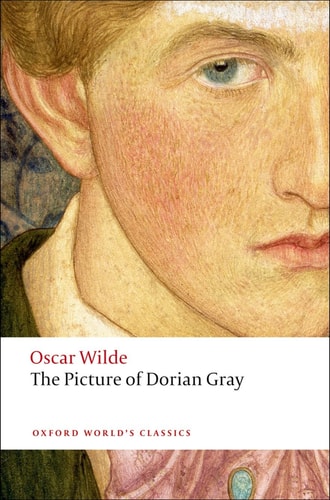
OXFORD
2012

W F Howes
2010
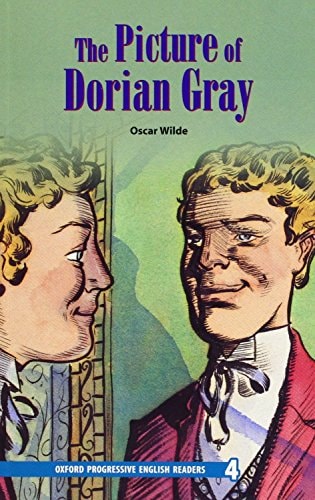
Oxford University Press España, S.A.
2008
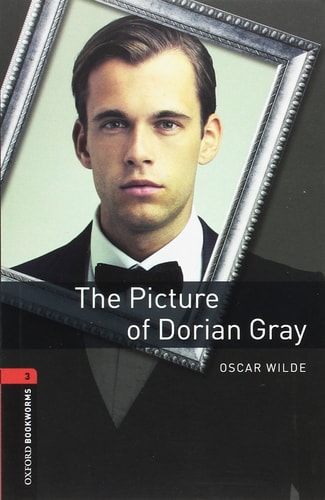
Oxford University Press
2008
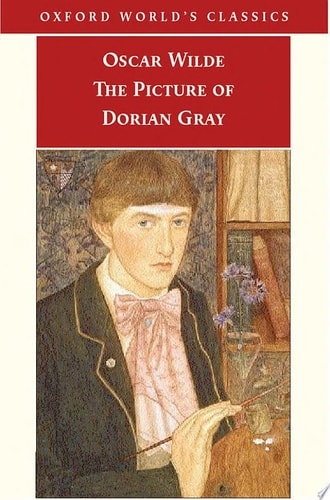
Oxford University Press
2006
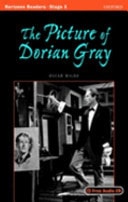
2006
Oxford University Press
1999
Oxford University Press
1982
Oxford University Press
1974
Similar Books
Reader Comments
Share Your Thoughts
No comments yet. Be the first to share your thoughts!