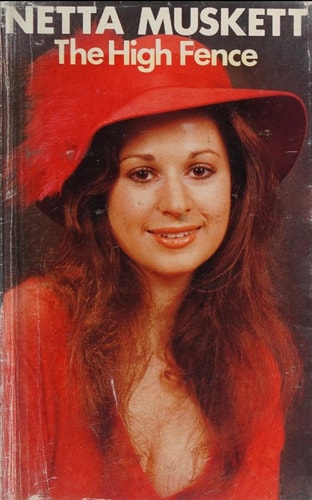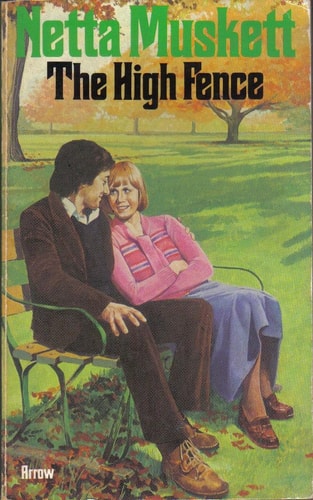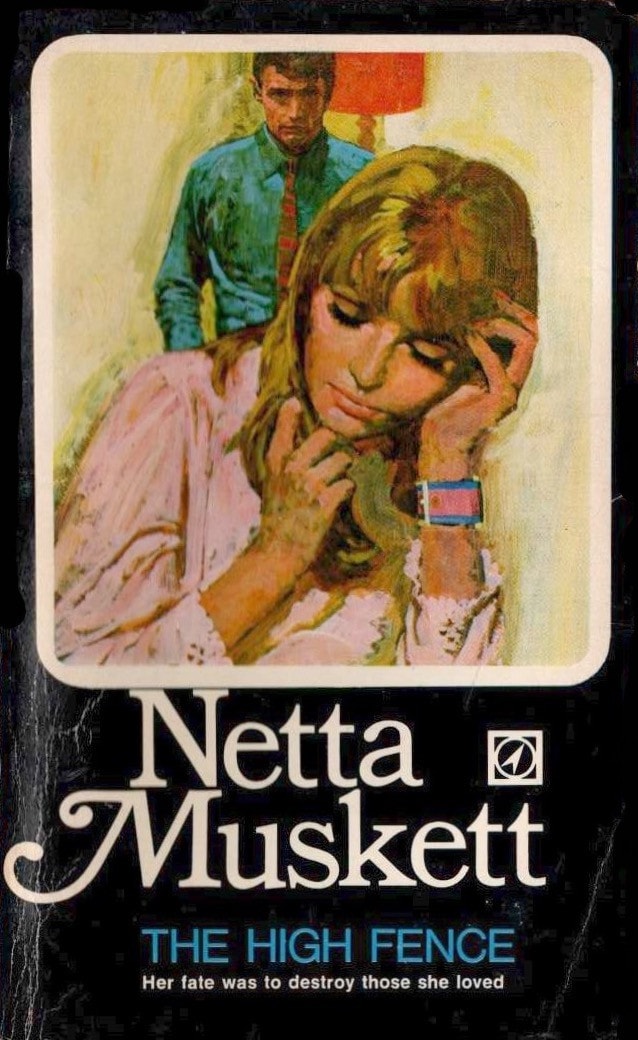
The High Fence
0
0
As an Amazon Associate and affiliate partner, Menrva Books earns from qualifying purchases. Learn more
Author Description
Her fate was to destroy those she loved... Myrna Fermand attempts to make up for her own loveless childhood by becoming over-protective and defensive when it comes to her own family. The fence which Myrna erects around her garden is of iron, and has no gate. She sees it as a symbol of her protective love for her children, but to them, and even to her husband Luke, her love is in itself a kind of prison. The children want for nothing, and have what many would envy as a privileged existence. Freedom, however, and the right to live their own lives, is missing. Karen and Jerry, despite their youth, therefore run away to London only to find their adventure is not what they had imagined it would be. They might be disillusioned, but it does give Myrna a second chance, if only she has the courage to try.
Menrva's Summary
THE PULSE
Myrna Fermand’s desperate attempt to shield her children from the world through extreme over-protection inadvertently creates a suffocating environment that forces them to flee. Myrna, driven by the void of her own loveless upbringing, constructs a literal and metaphorical iron fence around her family to ensure their safety and privilege. Her husband, Luke, and their children, Karen and Jerry, experience this protective instinct as a restrictive prison that denies them autonomy. When the children eventually escape to London, they encounter a harsh reality that challenges their expectations of freedom. The narrative follows Myrna as she confronts the consequences of her parenting and evaluates whether she can adapt to allow her family the independence they require.
INSIDE THE PAGES
- Exploration of maternal over-protection and its psychological impact
- Symbolism of the iron fence as a barrier to emotional growth
- Contrast between a privileged, sheltered home and the harsh reality of London
- Examination of the tension between security and personal freedom
- Character study of a mother struggling with past trauma
- Domestic drama focused on family dynamics and communication
- Pacing that emphasizes the slow accumulation of domestic pressure
- Third-person narrative perspective focusing on the Fermand family
THE COLLECTIVE ECHO
Readers often note that the work captures the stifling atmosphere of a home governed by fear rather than affection. Discussion frequently centers on the complexity of Myrna as a protagonist, as her intentions are rooted in a desire to provide what she lacked, even if her methods are destructive. Critics highlight the author's ability to portray the transition from childhood dependency to the disillusionment of early independence. The pacing is described as deliberate, allowing the reader to fully grasp the weight of the family's isolation before the eventual departure of the children. Many find the resolution to be a thoughtful examination of whether a person can truly change their ingrained behavioral patterns.
Page Count:
256
Publication Date:
1968-01-01
Publisher:
Arrow Books
ISBN-10:
0090008200
ISBN-13:
9780090008209
Romance
Fiction
Domestic Drama
Classic Literature
Family Saga